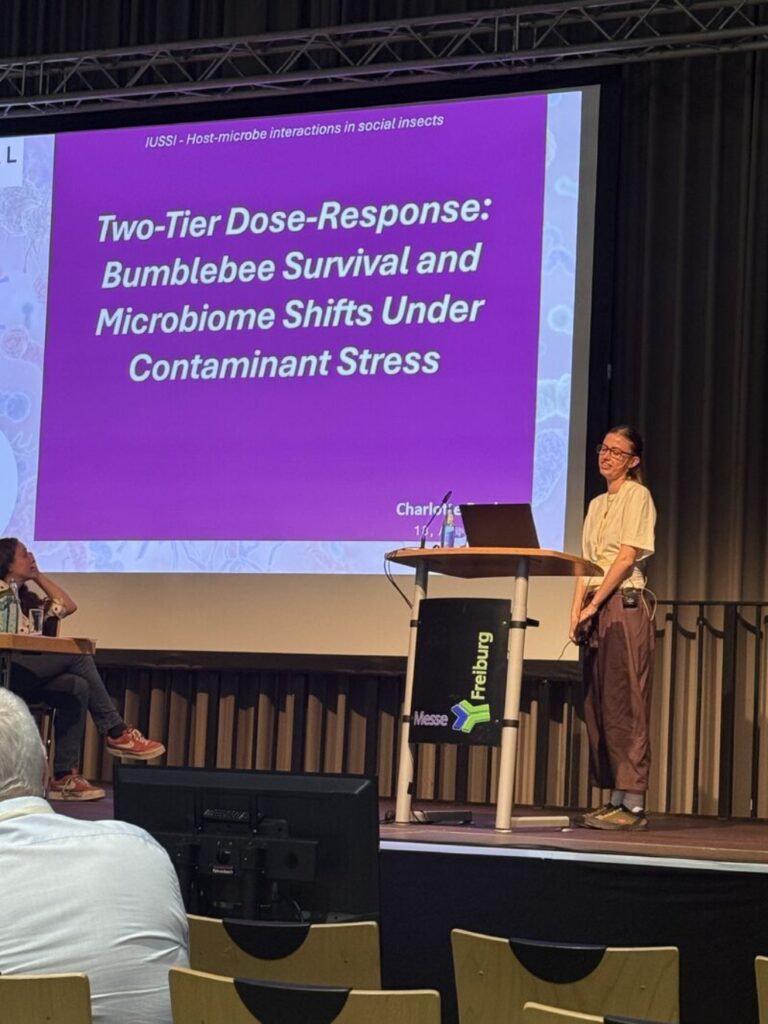
In this short video, Charlotte introduces her PhD research on how environmental contaminants shape the evolution of gut microbes within bumblebee holobionts.
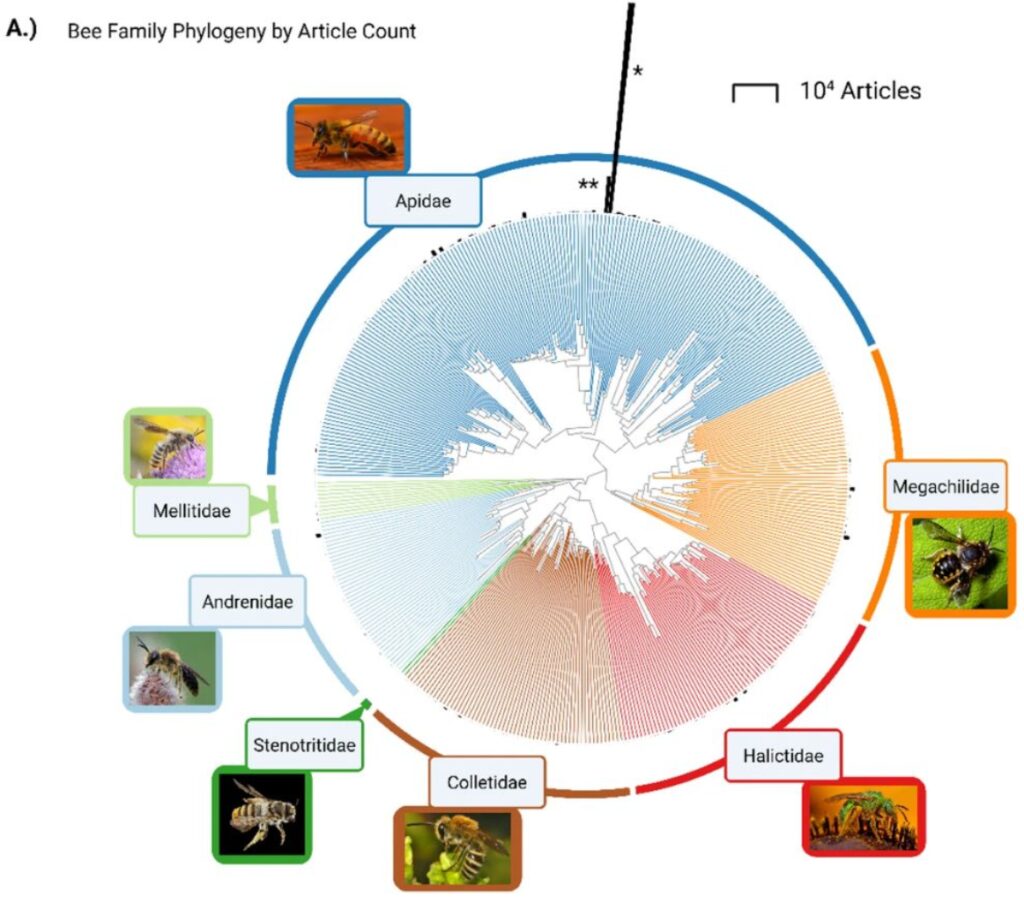
Publication: Mapping global bee research with traits and plant-pollinator interaction networks

Bees are essential to ecosystems and food security — but do we really have a balanced understanding of global bee ecology and how bees respond to environmental change?
New research by Miles Nesbit analyses nearly 70,000 bee-related publications to ask a simple but important question: does research effort align with ecological importance?
The answer is largely no.
Research is overwhelmingly concentrated on a small number of managed, social bees, particularly Apis (honeybees) and Bombus (bumblebees). Yet many wild, solitary, and ground‑nesting bees – including taxa that are structurally central in plant–pollinator networks – receive little attention. Crucially, the bees we study most are often not those most important for maintaining pollination network resilience.
The paper quantifies these biases and highlights where research effort, monitoring, and policy should be redirected if we want evidence‑based conservation outcomes that reflect real ecological leverage.
Read the research: https://www.nature.com/articles/s41598-026-41830-7
Nesbit, M.L., Montauban, C., Windram, F. et al. Mapping global bee research with traits and plant-pollinator interaction networks. Sci Rep 16, 12844 (2026). https://doi.org/10.1038/s41598-026-41830-7
Lab in focus: Kristen Heseri
In this short video, Kristen introduces her research on a soil‑borne fungal disease of wheat and how beneficial microbes could help protect crops and improve food security.
Lab in focus: Katerina Elger
In this short video, Katerina introduces her research on how non‑lethal pesticide exposure affects bumblebee health, disease susceptibility, and colony function.
Group photo 2025
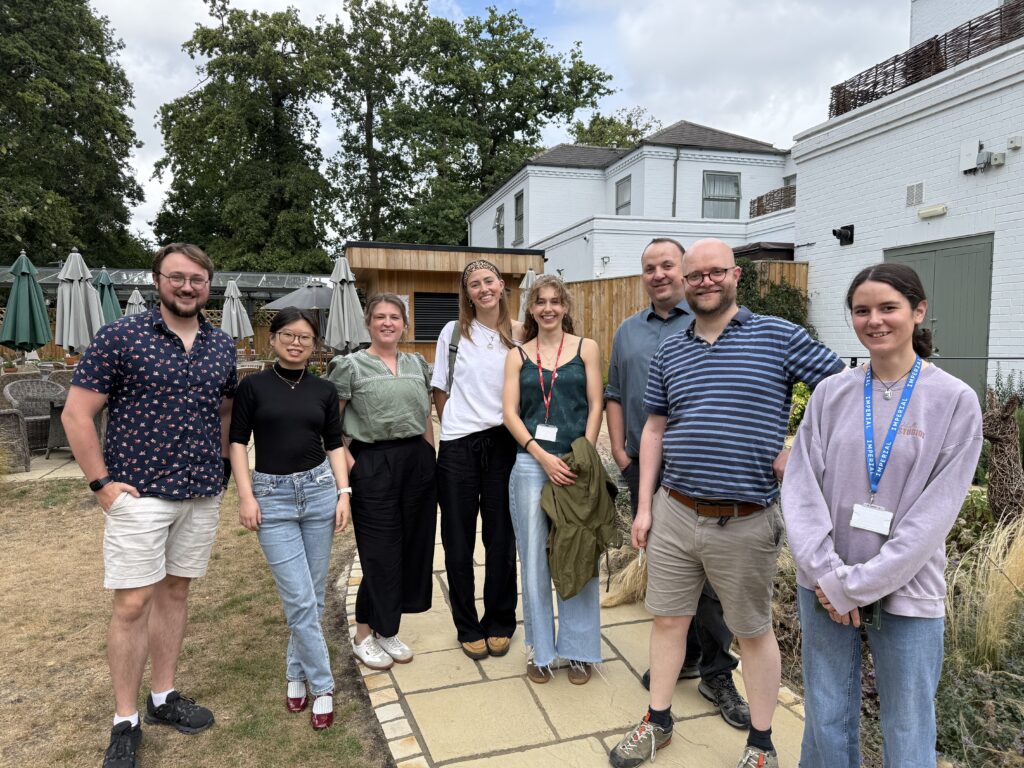
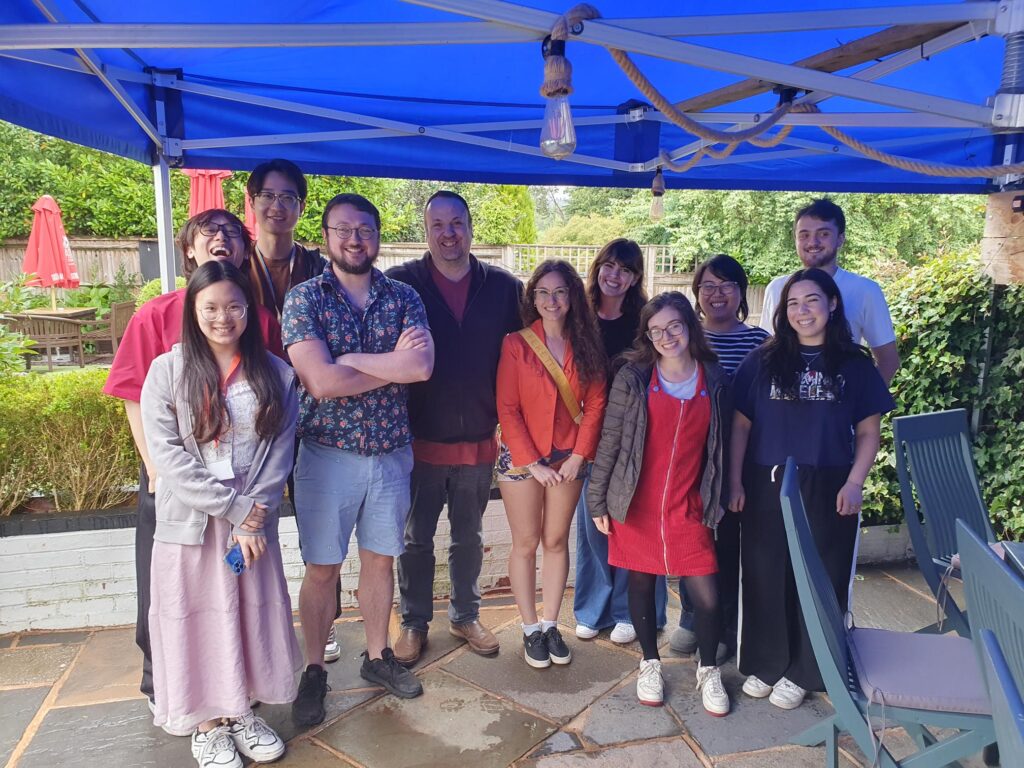
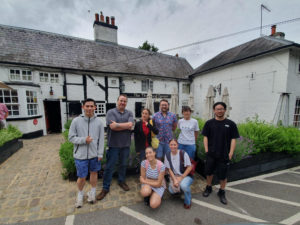
In 2025 we have enjoyed the addition of multiple postdocs, in addition to another good cohort of masters and undergrad students. Lots of data on parasites, toxicity, microbiomes, wheat and bees! Unfortunately Grace and Andra missed the meal out and photo

Holobionts and hologenomics!
This week members of the Leverhulme Center for the Holobiont have been invited to the Center for Evolutionary Hologenomics in Copenhagen. Such a wonderful meeting learning about the incredible science taking place. A pretty fantastic view of Copenhagen from the venue too!
Lab in focus: Peter Mark
In this short video, Peter Mark introduces his work as a lab technician investigating how soil microbiomes influence wheat growth, from controlled growth rooms to field trials.
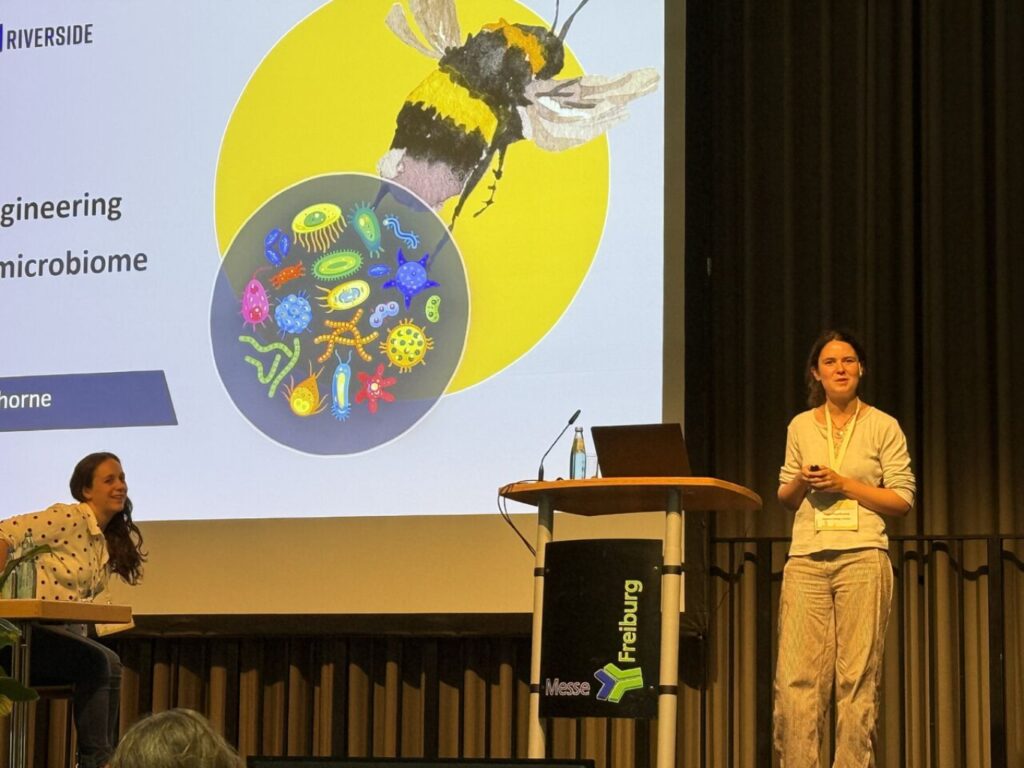
Engineering the microbiomes of bees

Welcome Dr Susie Hawthorne who will be joining the group as a postdoc, exploring the engineering of bee associated microbiomes over the next 3 years. This is part of a collaboration with Dr Quinn McFrederick and Prof Marc-Emmanuel Dumas. Susie brings strong experience in microbial ecology and the exploration of chemical degradation. Exciting the see the lab filling up with incredible scientists!
Microbiome Green Revolution team complete
Following Dr Peter Marks arrival last year as technician, we now welcome Dr Bryony Dignam as postdoc on the Microbiome Green Revolution project. Bryony will be leading the exploration of wheat-pathogen-microbiome interactions as we set our sights on engineering microbiomes that resist Take-all disease in these essential crops.


IUSSI 2024
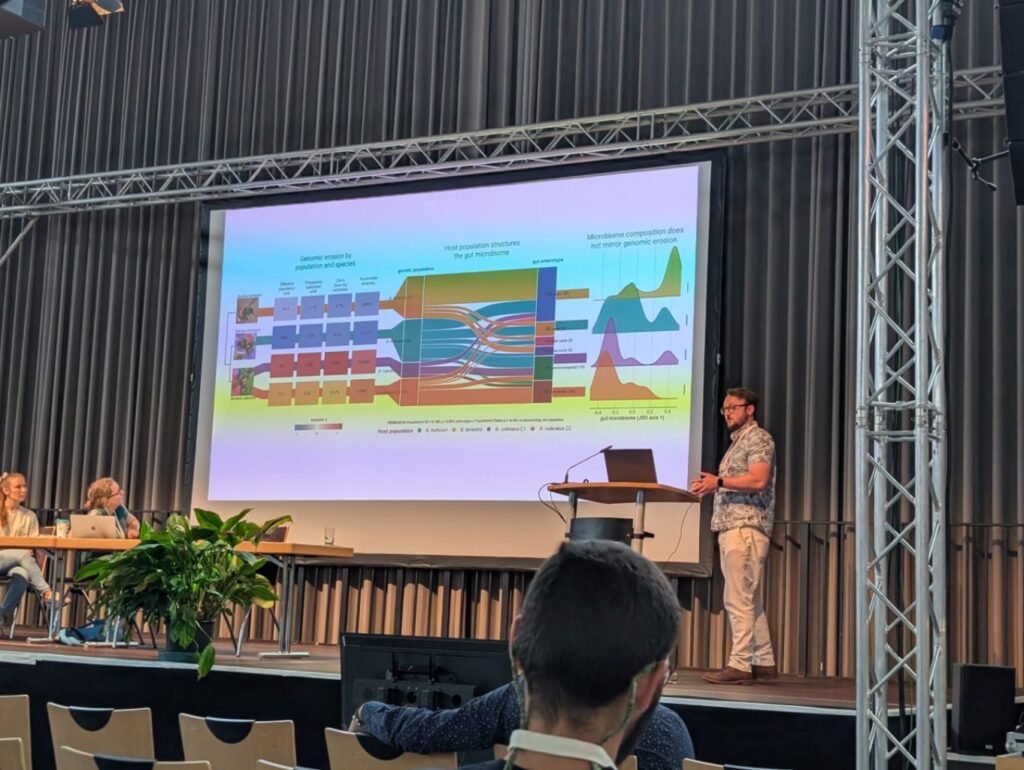
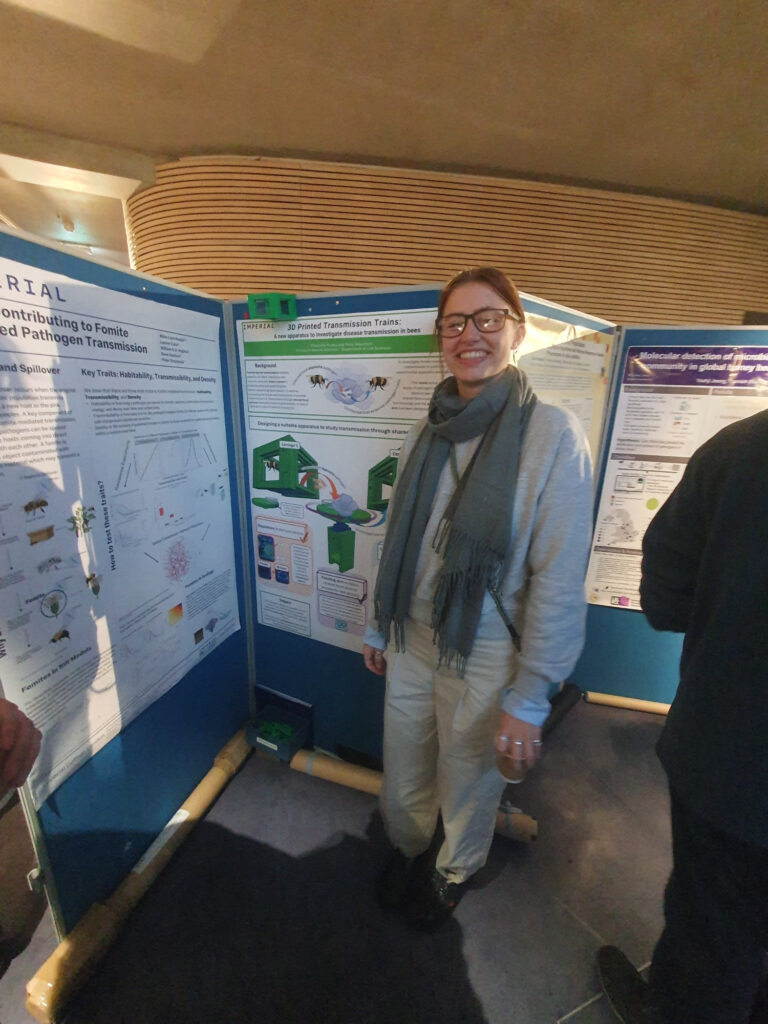
Nice to catch up with everyone at the IUSSI conference in London today. A good representation from the lab too with Miles, Charlotte and Monika presenting excellent student posters (Charlotte winning the IUSSI 1st Prize)! – I think it’s also safe to say my phone camera has seen better days!


Dr Monika Yordanova!

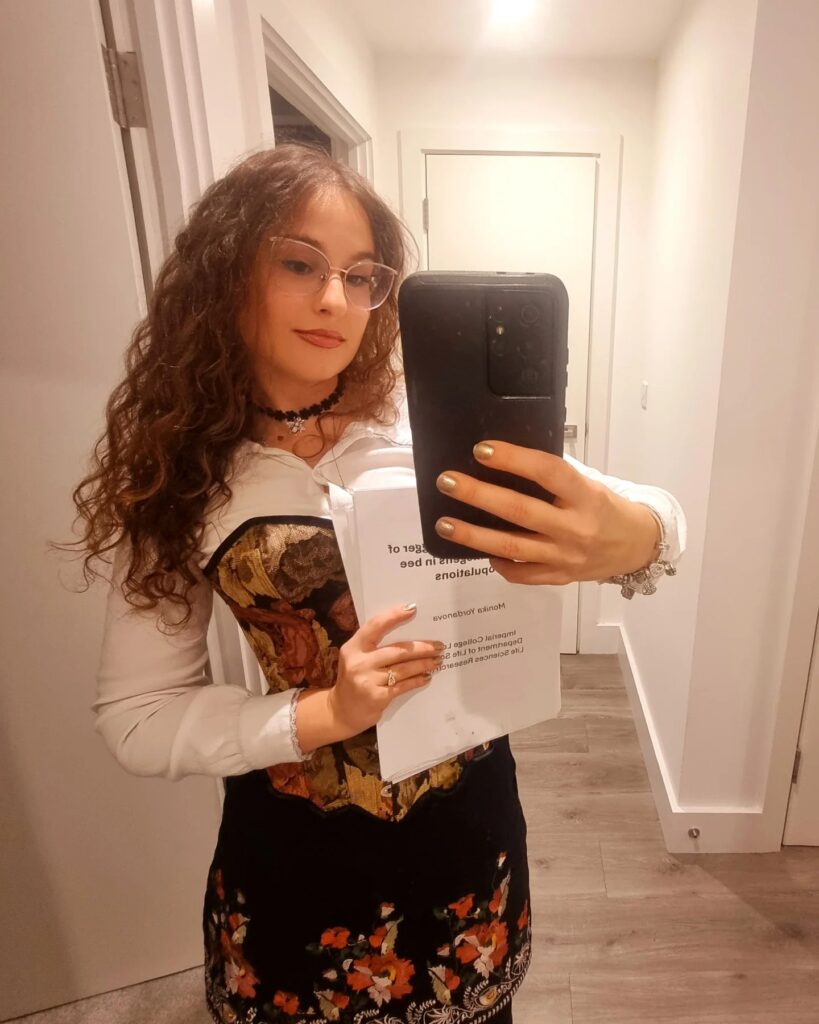
Today we celebrate Monika Yordanova passing her viva and becoming a Doctor! Monikas PhD focussed on the Transmission and trigger of brood pathogens in bee populations and was funded by the CB Dennis Trust & Bee Disease Insurance Ltd. Monika explored which factors are influential to pathogen transmission in floral landscapes and examined how pesticide use and microbiome dynamics influence brood health and susceptibility to disease (click here for a short video Monika made half way through her PhD). Findings from this work will be published over the next year!
Honey Extraction 2024
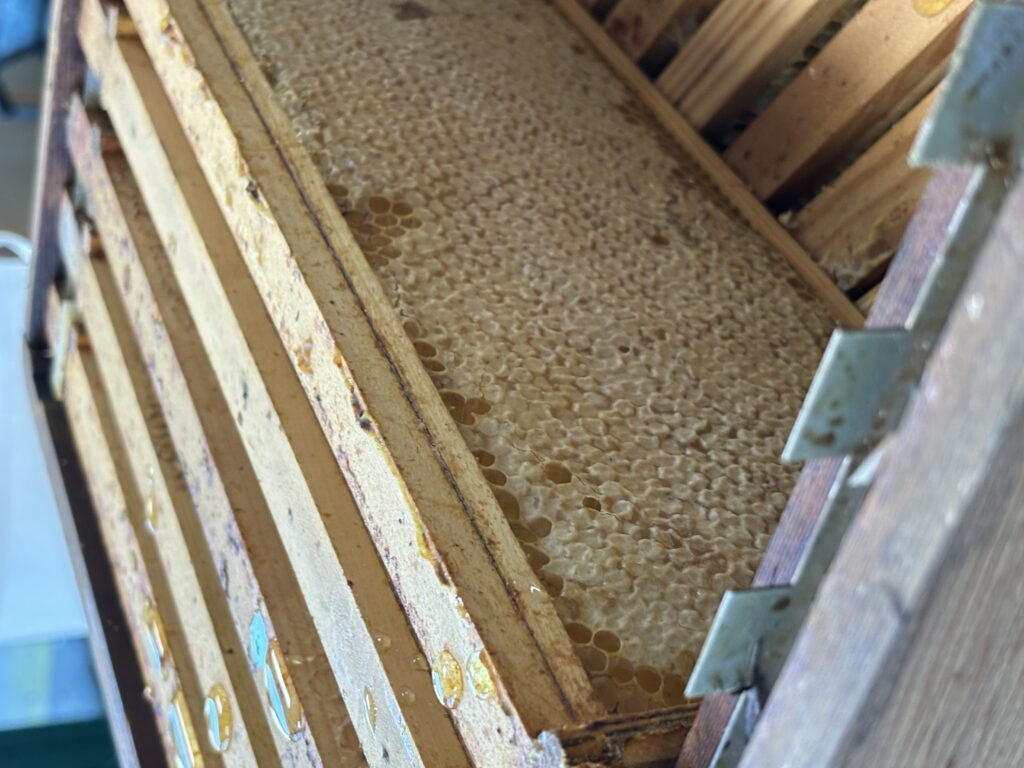
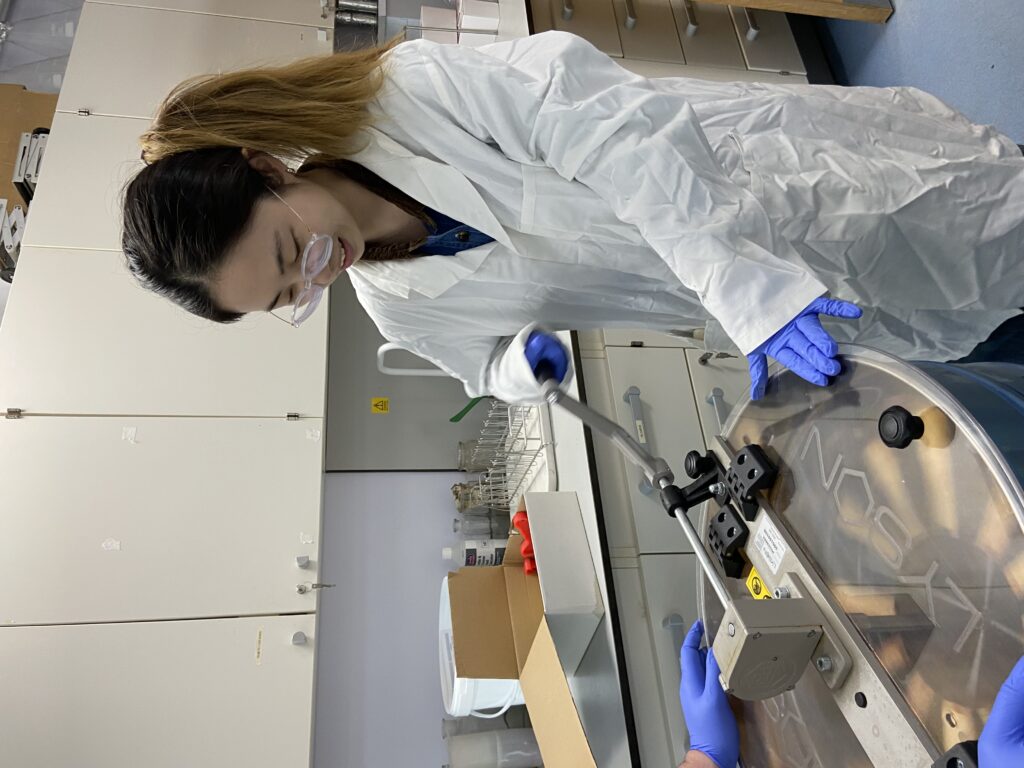
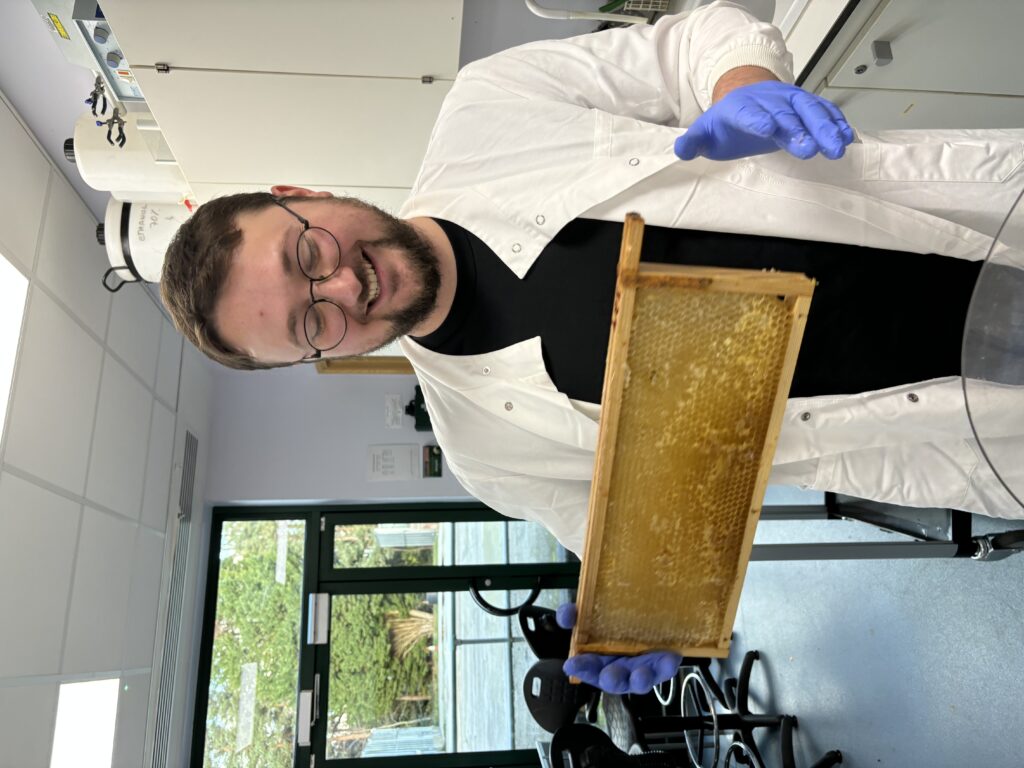
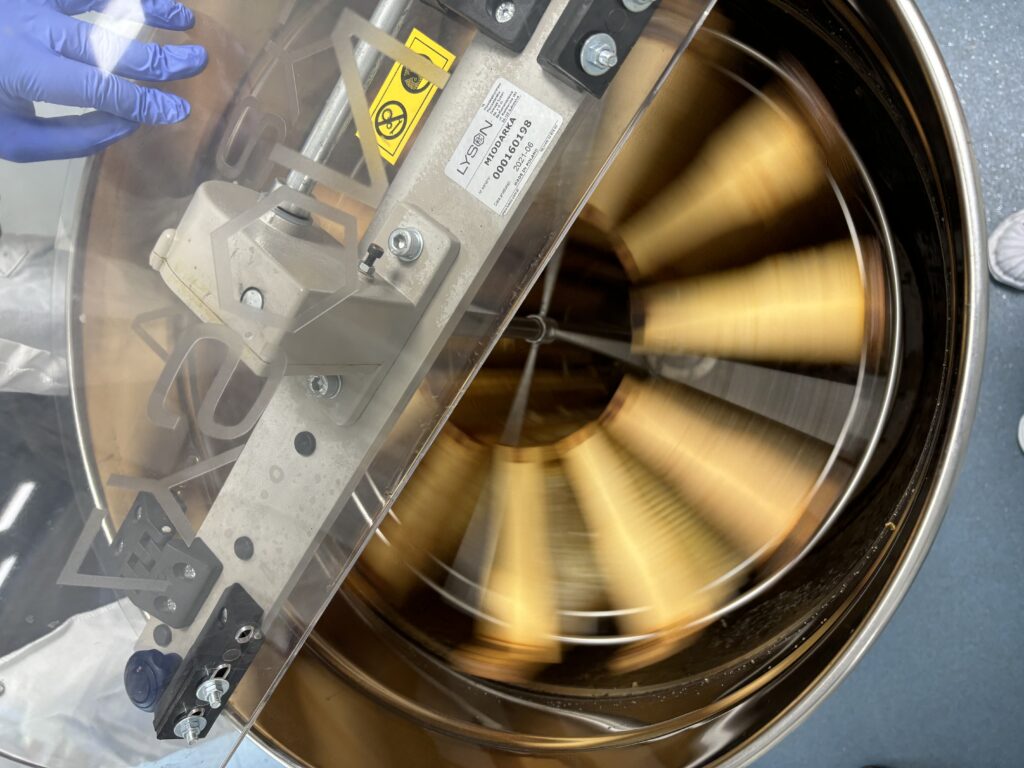
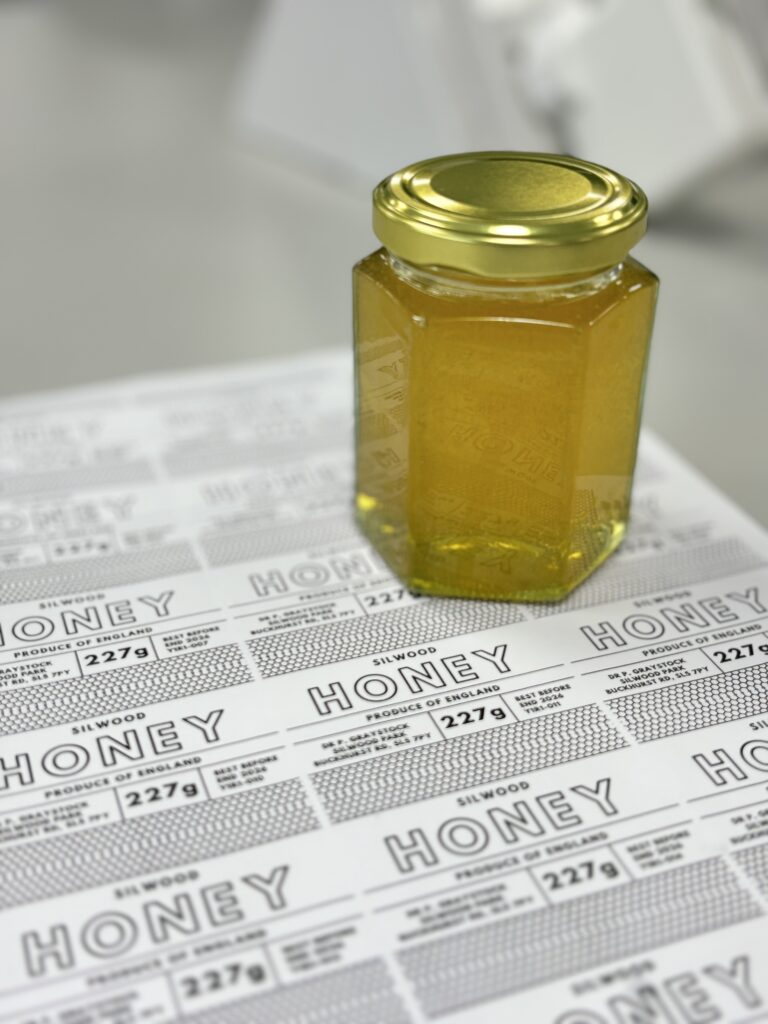
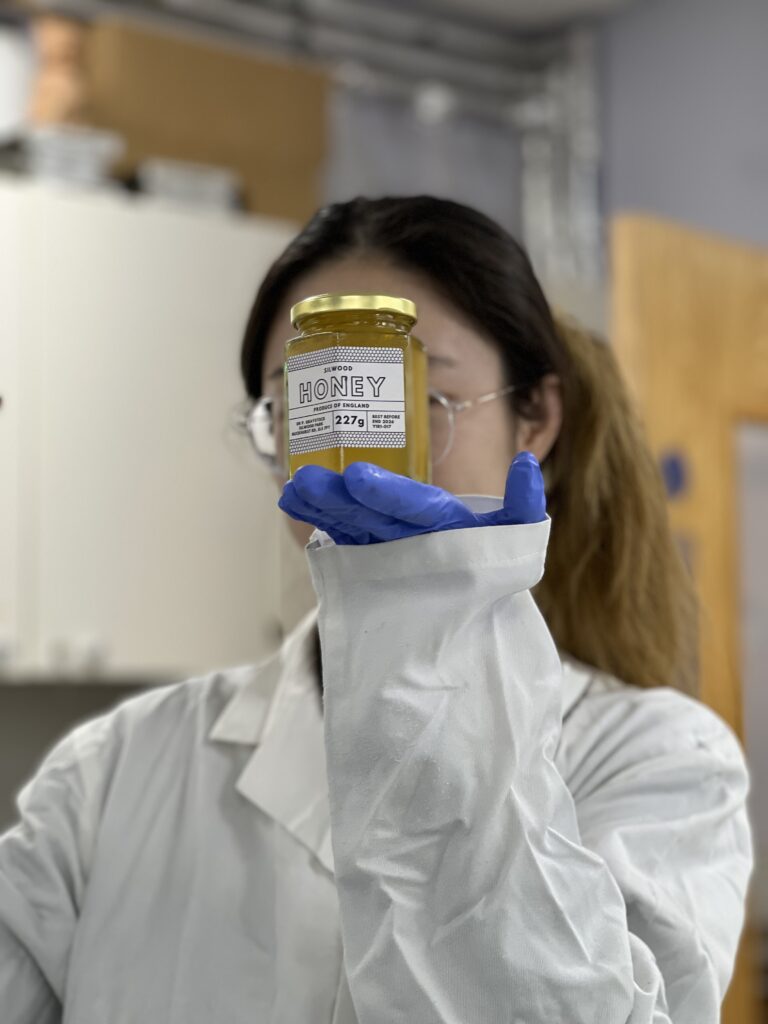
Students from the Living Planet with Ecological Applications MSc course finished their pollination week with Dr Peter Graystock with a practical of extracting honey from Silwood Park’s honey bee hives. This is always such a fun day!


Two PhD students joining the lab
Today we welcome Charlotte Fryday and Vida Svahnstrom to the group.
Charlotte is actually re-joining after carrying out a sucesfull masters project in the lab in 2022/23. She is part of the Leverhulme center for the holobiont and will be evolving bee associated microbiomes using different systems.
Vida is a on a NERC SSCP DTP and is continuing her work with Kew Gardens, exploring the speciation of epiphytes.
Lab in focus: Haitian Liu
In this short video, Tian introduces his research on how antibiotics and fungicides influence bumblebee foraging behaviour and colony performance.
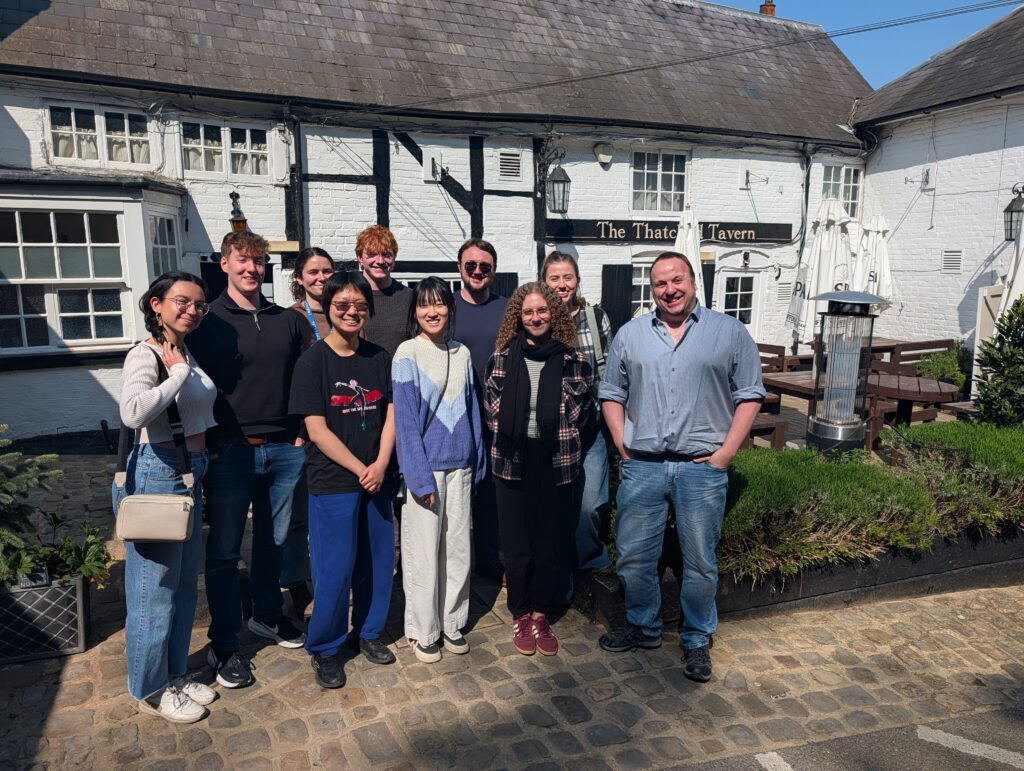
Group photo 2024
2024 has been a fun year so far, exploring soil microbiomes, fluorescent wasps, bees, wheat, parasites, thermal performance and toxicity.
Left to right: Haitian, Jingy, Pin, Miles, Peter, Monika, Joely, Temea, Loveline, Emma, Jack)

Identification of fungi isolated from commercial bumblebee colonies
Today we publish work from data originally collected some years ago but provides a fascinating insight into the fungal diversity found within bumblebee colonies. Samples of various substrates from within 14 bumblebee colonies, including the honey, honey cup wall, egg cup wall, and frass were placed on agar and any fungi present that grew was isolated and sequenced.
Overall, we cultured 11 fungal species from the various nest substrates. These included both pathogenic and non-pathogenic fungi, such as Aspergillus sp., Penicillium sp., and Candida sp. Our results provide the first insights into the diversity of viable fungal communities in commercial bumblebee nests.
Miles Nesbit, explained the findings with a PeerJ spotlight (embedded below), and a direct link to the research is here.
£2.45 million funding to explore ways to utilise plant-microbe interactions to sustainably increase crop yields
Take-all disease is one of the most destructive root diseases of wheat crops. Caused by infection with the fungi Gaeumannomyces graminis var. tritici, the disease kills the plants and can remain in soils over successive years if careful treatment and management is not applied.

Over the next 3 years, the labs of Bonnie Waring, Peter Graystock, Tom Bell, Samraat Pawar and Emma Ransome will employ 5 Postdocs and 2 technicians to explore the underlying wheat-microbe interactions that are influencing disease and crop yield. The project will then go on to explore manipulative techniques to better harness the microbial communities to improve crop health and yield. In addition to this applied impact, we will also explore the creation of a ‘digital microbiome’ to predict changes and impacts of microbiome manipulations.
More information can be found here: https://www.imperial.ac.uk/news/248639/245-million-gift-launches-novel-research/
Welcoming Miles to the Lab

Today we have Miles officially start his PhD in the Lab, exploring Evidence and impact of parasite spillover across pollinator communities. Miles is supported by PI Peter Graystock and Co-Is of Lauren Cator, Dave Goulson and William Hughes; his PhD is funded by NERC and the Bumblebee Conservation Trust. Looking forward to what we discover over the next 3-4 years!
Looking @ Bumblebee parasites with our new microscopes
This summer the lab bought some new digital dissection scopes and digital phase contrast microscopes to help us catalogue what we are seeing. Here you can see a few of the microbes we commonly find inside wild bumblebees – the moving microbes are a common parasite called Crithidia (a genus of trypanasomatids)
End of the field season
Our undergrads have had their vivas, and data collections have completed for our masters students – two perfect reasons for celebration!

Bugs, Birds and Beasts Day 2023


Our annual Silwood outreach day: https://www.imperial.ac.uk/georgina-mace-living-planet/events/bugsday/
Invited speaker at the Royal Entomological Society Student forum in Cardiff


Its been a great couple of days at the RES student forum. Lab PhD student Monika presented some of her data on parasites in pollinator communities and throughout there was a wonderful range of talks and some very exciting research!
New project students get started!
This year the lab will be without Pete for a few weeks whilst on Paternity leave, so the new students are getting upto speed as fast as possible on an array of projects!
We have Naomi, Kat and Maggie running their undergraduate final year projects on microbial growth, parasite spread, and bumblebee nest architecture respectively.
From the Silwood Masters streams we have Xiao, Logan, Noel and Charlotte who are working on Honeybee stressors, directed evolution, bumblebee invitro rearing, and parasite transmission respectively.
Learn more about their projects from our group page!
First run out with the new 3D Scanner!
The lab has a new toy and its magnificent! Today we played with the labs new 3D scanner and scanned in some bumblebee nests which are complex shapes but could tell us alot about the age, health and reproductive fitness of the colony!
Leverhulme Centre for the Holobiont

Today we officially launched the opening of the Leverhulme center for the Holobiont. With £10 million funding from the Leverhulme trust, the center will explore how microbes interact with their hosts across the tree of life.
Based at Imperial College London the center includes an incredible range of partners such as the Wellcome Sanger Institute; the EMBL’s European Bioinformatics Institute (EMBL-EBI); the Natural History Museum; the Royal Botanic Gardens Kew; CABI; the Rosalind Franklin Institute; the Mary Lyon Centre; ZSL London Zoo and the Tara Oceans Consortium.
The research at the center will consist of 4 main themes (challenges). Challenge 1: the holobiont tree of Life – will look at microbial-host interactions across a diversity of species and environments providing baseline data. Challenge 2: Crafting the holobiont – will explore synthetic methods to create new host-microbe interactions and improve holobiont health. Challenge 3: Holobiont rescue – will identify current emergencies that could be solved with microbial intervention. Challenge 4: Holobiont Green Revolution – will explore ways to improve crop health and yields using microbial interventions.
More information here: https://www.imperial.ac.uk/news/241454/imperial-partners-launch-leverhulme-centre-holobiont/
PhD available

A PhD as part of the NERC Science and Solutions for a Changing Planet DTP is available in my group. The PhD will explore the evidence and impact of parasite spillover across pollinator communities with the aim of improving our understanding of disease dynamics and helping to inform policy.
Full details of the PhD called “Evidence and impact of parasite spillover across pollinator communities” can be found here: https://www.imperial.ac.uk/media/imperial-college/grantham-institute/public/dtp/2023-projects/2023_53_DoLS_Graystock.pdf
Details of applying for the PhD can be found here: https://www.imperial.ac.uk/grantham/education/science-and-solutions-for-a-changing-planet-dtp/studentship-opportunities/
The application deadline is 12 midday on Jan 6th 2023. Please do not hesitate to ask me any questions relating to this PhD.
FrEECS conference
This week has been the 2022 FrEECS conference and all masters students did an excellent job with their presentations!
From the lab we had;
Dylan Asbury – The impacts of two pesticides on the parasite load and colony growth of Bombus terrestris
Sofia Riccomagno – Microbes in flowers and their role in pollination networks
Paul Cabrisy – Evaluating the ability of deep learning models to track markerless bumblebees
Congjia Chen – Microbial associations and inferred interactions in wild bumble bees
Tash Ramsden – Genomic Signals of Selection in three UK Bumblebees
Carlota Berbel Torres – Honey Bee (Apis mellifera) resilience to exposure of pesticides and microbiota manipulation
Congratulations! Just the vivas to go!
Summer experience
This summer PhD student Monika Yordanova helped fly the Silwood flag at the IUSSI conference in San Diego (attended also by Aoife and Rich Gill from Silwood) as she presented her work on European foul brood, followed swiftly by attending a 2 week summer school on symbioses (SymbNET) in Portugal! A real eye opener to international networking and experience!
Training by Dr Sophie Evison
This week Dr Sophie Evison has been visiting Silwood and providing training on honeybee grafting. This is where we carefully collect bee eggs and transfer them to sterile plates so we can raise them by hand and explore their health and development. Sophie is vastly experienced in this and crucially, is very patient! We will soon have well over a thousand eggs grafted and with several measurements been taken to explore health we are very excited to see what we discover! Carlotta and Monika in particular are using this technique this summer for their Masters and PhD work respectively.
*Photo of Sophie Evison back in 2012 as a postdoc grafting some queens! –>
World Bee Day 2022
To celebrate world bee day, we discussed some of the bee research taking place within the lab this year. To find out more, check out this press release!
https://www.imperial.ac.uk/news/236641/world-bee-day-imperial-scientists-share/