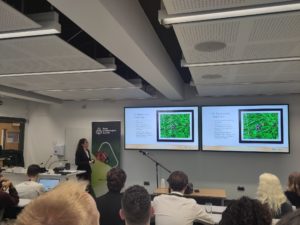
Its been a great couple of days at the RES student forum. Lab PhD student Monika presented some of her data on parasites in pollinator communities and throughout there was a wonderful range of talks and some very exciting research!

Its been a great couple of days at the RES student forum. Lab PhD student Monika presented some of her data on parasites in pollinator communities and throughout there was a wonderful range of talks and some very exciting research!
This year the lab will be without Pete for a few weeks whilst on Paternity leave, so the new students are getting upto speed as fast as possible on an array of projects!
We have Naomi, Kat and Maggie running their undergraduate final year projects on microbial growth, parasite spread, and bumblebee nest architecture respectively.
From the Silwood Masters streams we have Xiao, Logan, Noel and Charlotte who are working on Honeybee stressors, directed evolution, bumblebee invitro rearing, and parasite transmission respectively.
Learn more about their projects from our group page!
The lab has a new toy and its magnificent! Today we played with the labs new 3D scanner and scanned in some bumblebee nests which are complex shapes but could tell us alot about the age, health and reproductive fitness of the colony!
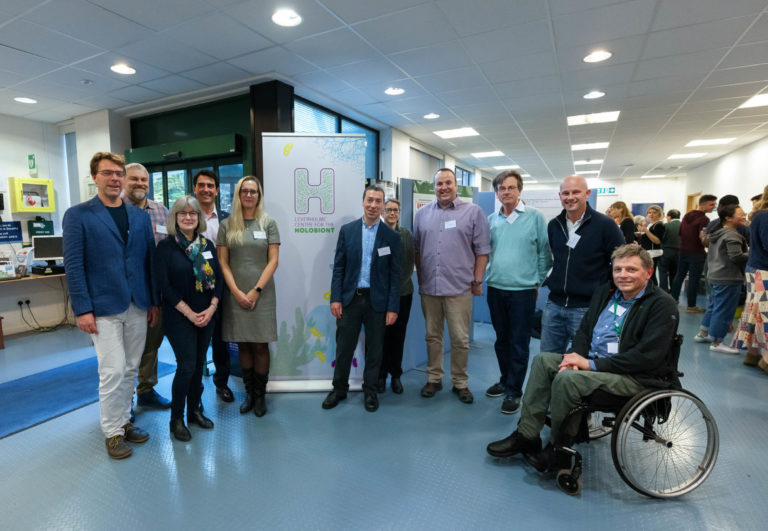
Today we officially launched the opening of the Leverhulme center for the Holobiont. With £10 million funding from the Leverhulme trust, the center will explore how microbes interact with their hosts across the tree of life.
Based at Imperial College London the center includes an incredible range of partners such as the Wellcome Sanger Institute; the EMBL’s European Bioinformatics Institute (EMBL-EBI); the Natural History Museum; the Royal Botanic Gardens Kew; CABI; the Rosalind Franklin Institute; the Mary Lyon Centre; ZSL London Zoo and the Tara Oceans Consortium.
The research at the center will consist of 4 main themes (challenges). Challenge 1: the holobiont tree of Life – will look at microbial-host interactions across a diversity of species and environments providing baseline data. Challenge 2: Crafting the holobiont – will explore synthetic methods to create new host-microbe interactions and improve holobiont health. Challenge 3: Holobiont rescue – will identify current emergencies that could be solved with microbial intervention. Challenge 4: Holobiont Green Revolution – will explore ways to improve crop health and yields using microbial interventions.
More information here: https://www.imperial.ac.uk/news/241454/imperial-partners-launch-leverhulme-centre-holobiont/
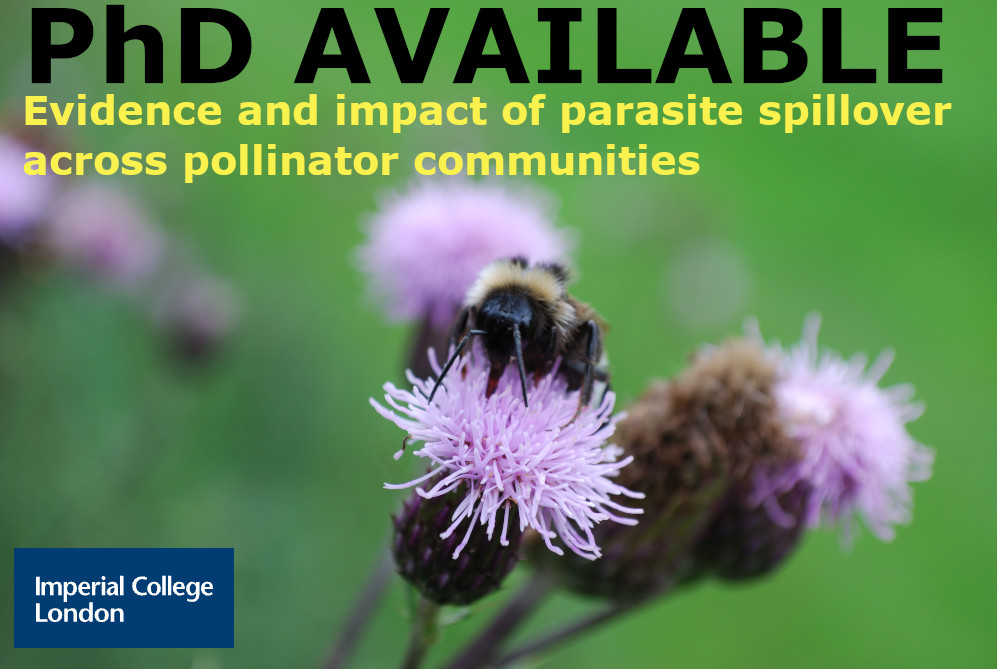
A PhD as part of the NERC Science and Solutions for a Changing Planet DTP is available in my group. The PhD will explore the evidence and impact of parasite spillover across pollinator communities with the aim of improving our understanding of disease dynamics and helping to inform policy.
Full details of the PhD called “Evidence and impact of parasite spillover across pollinator communities” can be found here: https://www.imperial.ac.uk/media/imperial-college/grantham-institute/public/dtp/2023-projects/2023_53_DoLS_Graystock.pdf
Details of applying for the PhD can be found here: https://www.imperial.ac.uk/grantham/education/science-and-solutions-for-a-changing-planet-dtp/studentship-opportunities/
The application deadline is 12 midday on Jan 6th 2023. Please do not hesitate to ask me any questions relating to this PhD.
This week has been the 2022 FrEECS conference and all masters students did an excellent job with their presentations!
From the lab we had;
Dylan Asbury – The impacts of two pesticides on the parasite load and colony growth of Bombus terrestris
Sofia Riccomagno – Microbes in flowers and their role in pollination networks
Paul Cabrisy – Evaluating the ability of deep learning models to track markerless bumblebees
Congjia Chen – Microbial associations and inferred interactions in wild bumble bees
Tash Ramsden – Genomic Signals of Selection in three UK Bumblebees
Carlota Berbel Torres – Honey Bee (Apis mellifera) resilience to exposure of pesticides and microbiota manipulation
Congratulations! Just the vivas to go!
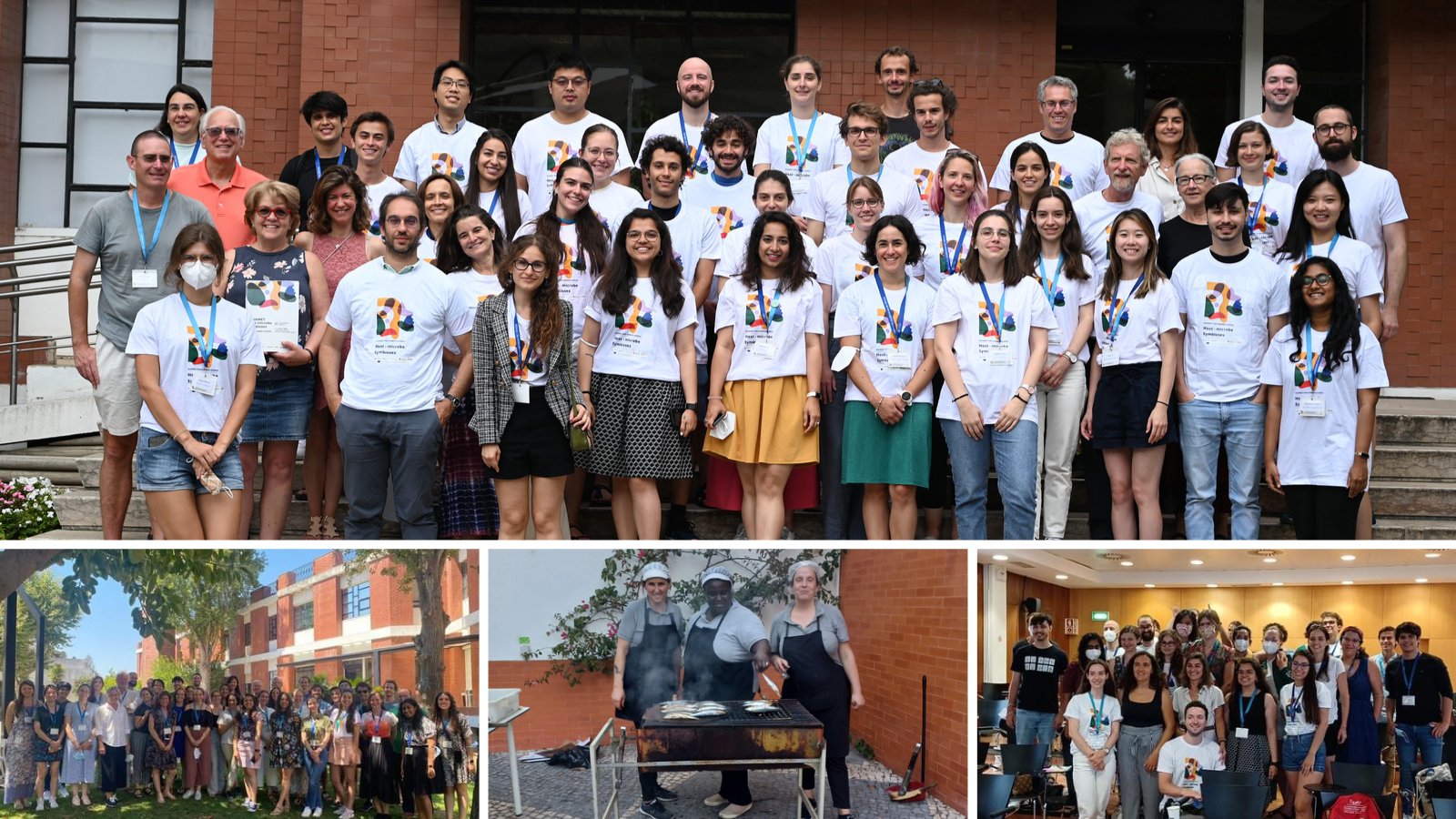
This summer PhD student Monika Yordanova helped fly the Silwood flag at the IUSSI conference in San Diego (attended also by Aoife and Rich Gill from Silwood) as she presented her work on European foul brood, followed swiftly by attending a 2 week summer school on symbioses (SymbNET) in Portugal! A real eye opener to international networking and experience!
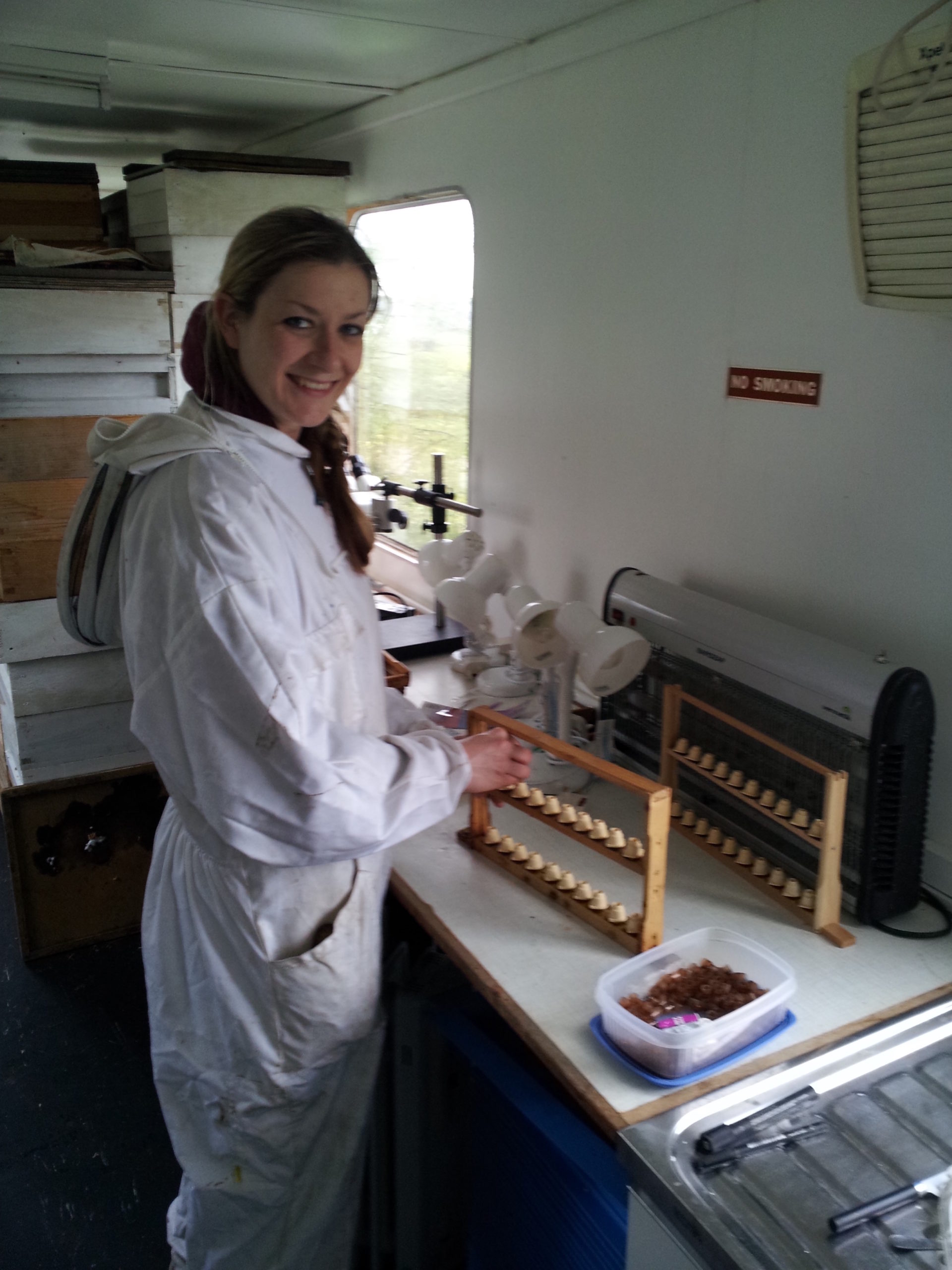
This week Dr Sophie Evison has been visiting Silwood and providing training on honeybee grafting. This is where we carefully collect bee eggs and transfer them to sterile plates so we can raise them by hand and explore their health and development. Sophie is vastly experienced in this and crucially, is very patient! We will soon have well over a thousand eggs grafted and with several measurements been taken to explore health we are very excited to see what we discover! Carlotta and Monika in particular are using this technique this summer for their Masters and PhD work respectively.
*Photo of Sophie Evison back in 2012 as a postdoc grafting some queens! –>
To celebrate world bee day, we discussed some of the bee research taking place within the lab this year. To find out more, check out this press release!
https://www.imperial.ac.uk/news/236641/world-bee-day-imperial-scientists-share/
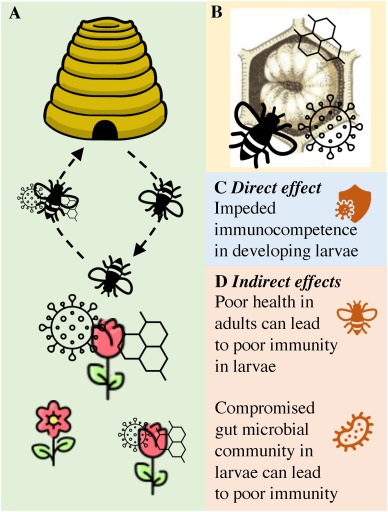
PhD student Monika Yordanova summarises what we currently understand about pesticide/parasite coexposures in bee larvae and reveals that not only is there a dearth of research on this important subject but also that a research bias towards Apis species skews our understanding and management of brood disease and pesticide risks in wild bees.
Read Monika’s first paper, published in the International Journal for Parasitology: Parasites and Wildlife here: https://doi.org/10.1016/j.ijppaw.2022.03.001
Ryans Mres explored the population genetics of bumblebees in the UK and here he presents his findings at the 55th Population Genetics Group (popgroup) conference. Despite the nerves, Ryan did a great job presenting at his first conference and a recording is available to view here;
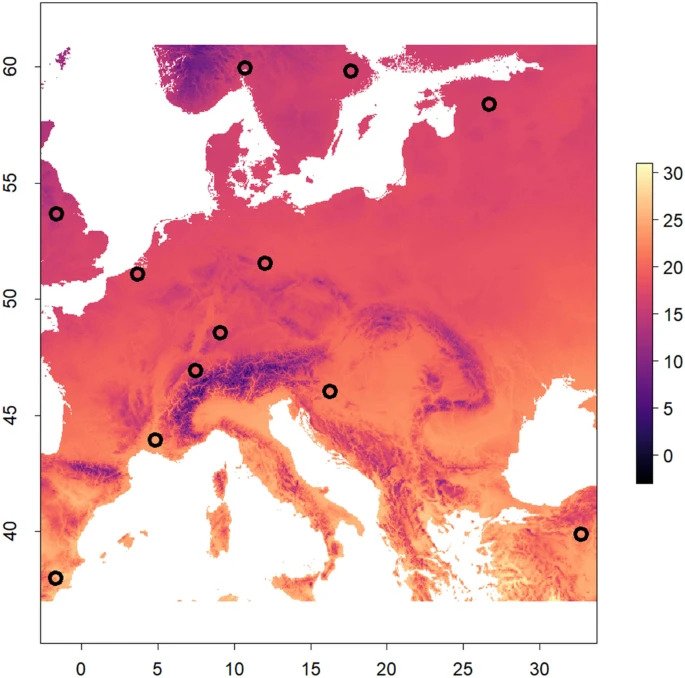
In a continent wide study led by Niels Piot, we used sites from 11 countries, collecting over 600 bees and had their viral titres measured. We found wild bees species to have many viruses commonly thought of as ‘honey bee viruses’ including the AKI-complex (Acute bee paralysis virus, Kashmir bee virus and Israeli acute paralysis virus), Deformed wing virus, and Slow bee paralysis virus. The presence of these viruses was positively correlated with the viral prevalence in local honey bees and also with climatic factors. Not only does this suggest the health on honeybees may be indicative of wider bee health but suggests that as climates change, our understanding and forecast of pollinator disease dynamics may also need to change.
Read the article here: https://www.nature.com/articles/s41598-022-05603-2
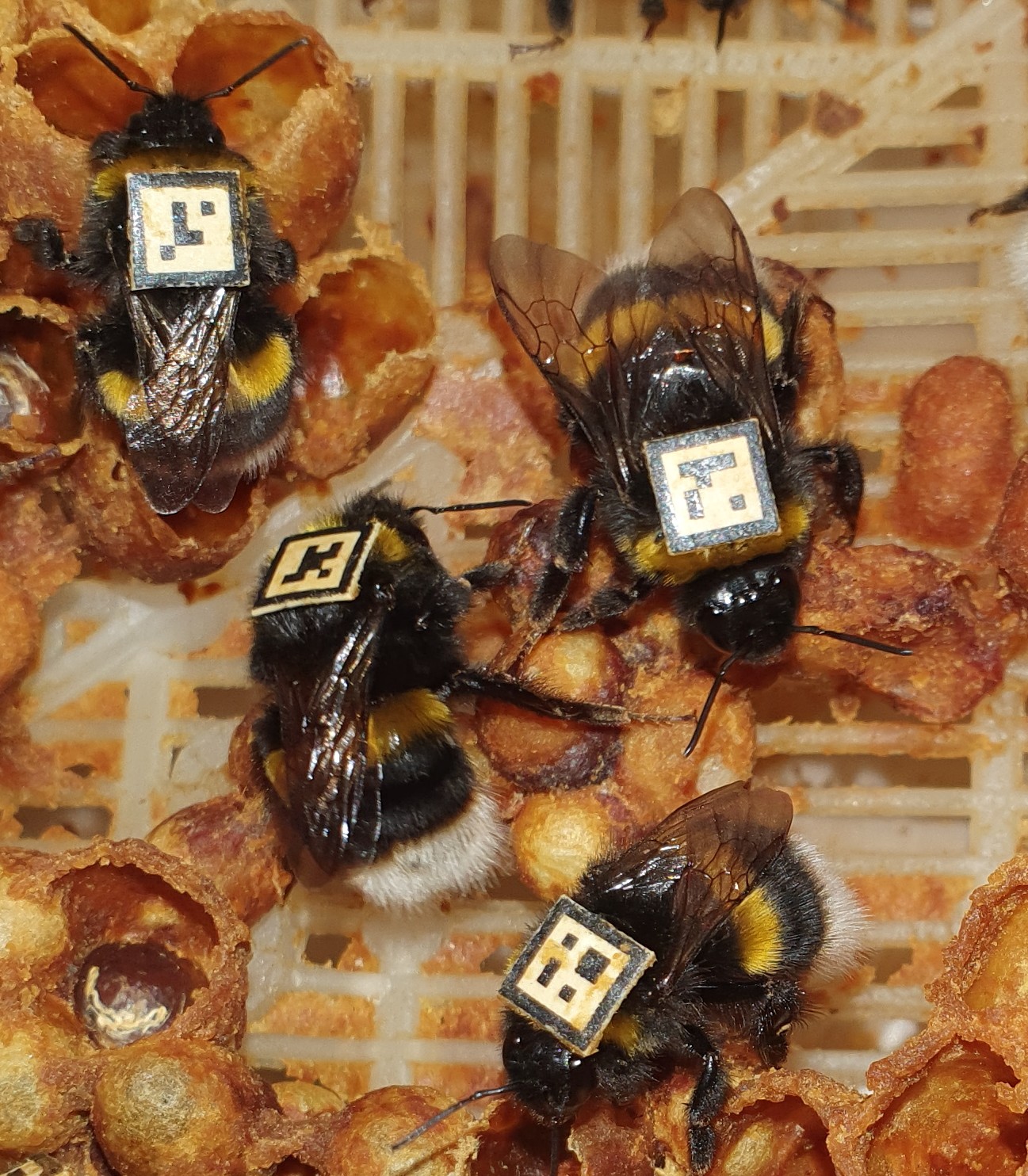
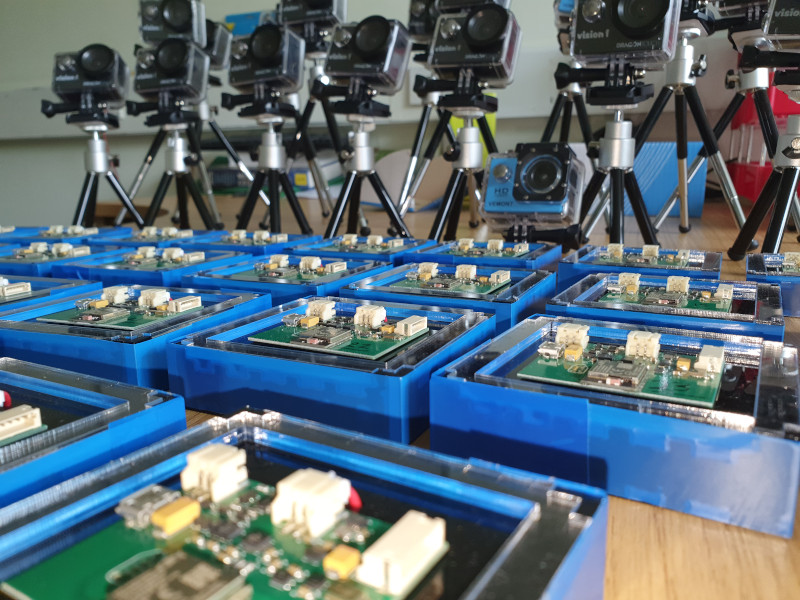
Many experiments require us to monitor bee health and activity after treatments, and to facilitate that, i’ve been upgrading things! Now kitted out with various automated monitoring systems, we can collect data 24/7 allowing much greater insight! Worryingly im quickly running out of harddrive space but the data is wonderful!!
MRes student Acacia is writing code to track bee movement (via QR). Works well in ideal conditions but tweaking req’d to optimise for red/complex setups. Similar to BeeTag but in #python & suited for cheaper setups. Excited to see how it develops!
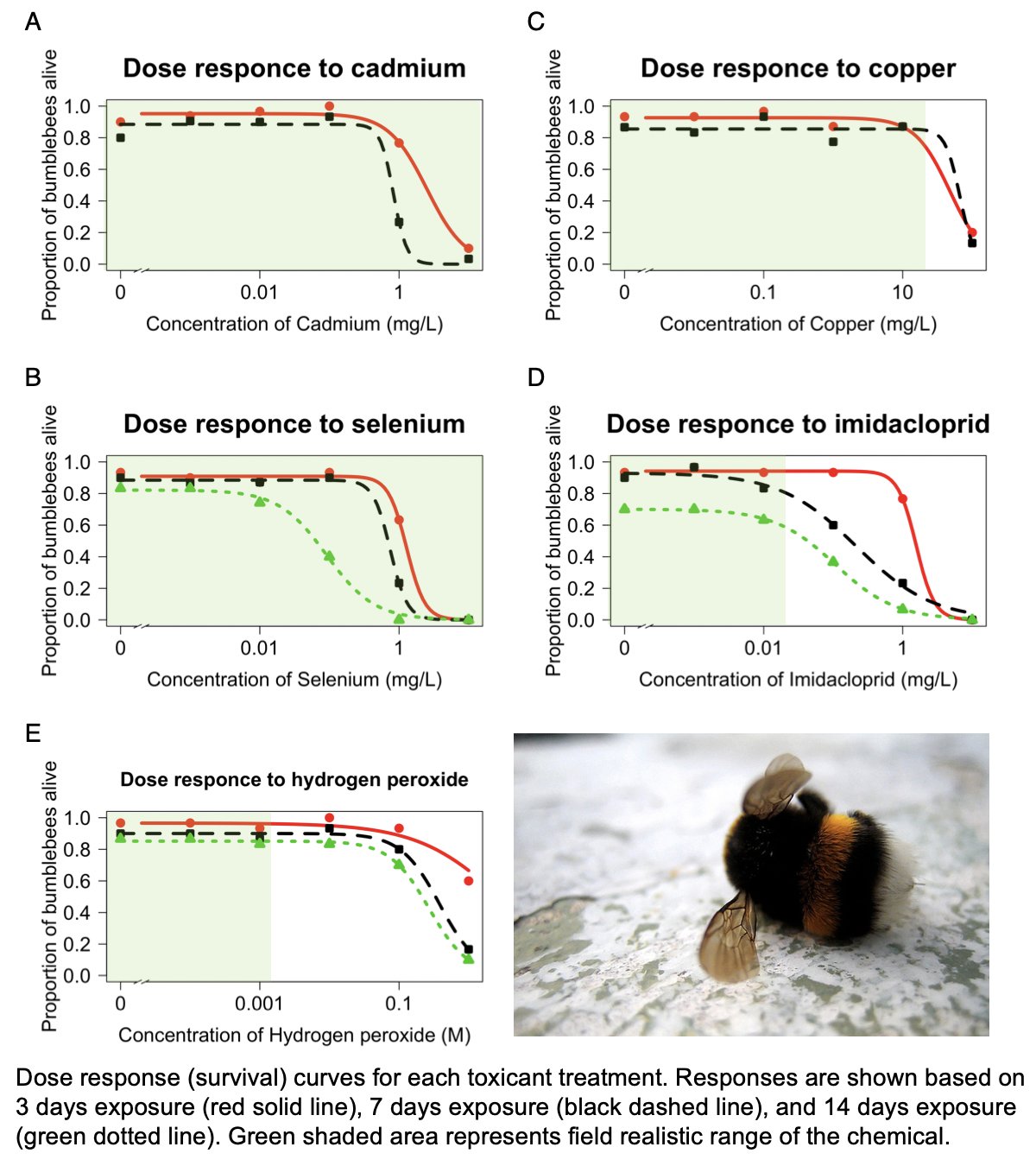
New research published: The direct & indirect toxicity of natural & synthetic chemicals on bee survival & microbiome health. We also explore the genomes of bee associated microbes and identify numerous genes that may play a role in protecting bees against some toxin exposure
Take-home: Several chemicals kill bees at concentrations found in nectar, pollen & honey. They also sub lethally effect microbiomes which may reduce the health of bees not killed outright. Microbe genomes suggest they may be some help!
https://royalsocietypublishing.org/doi/10.1098/rspb.2020.0980

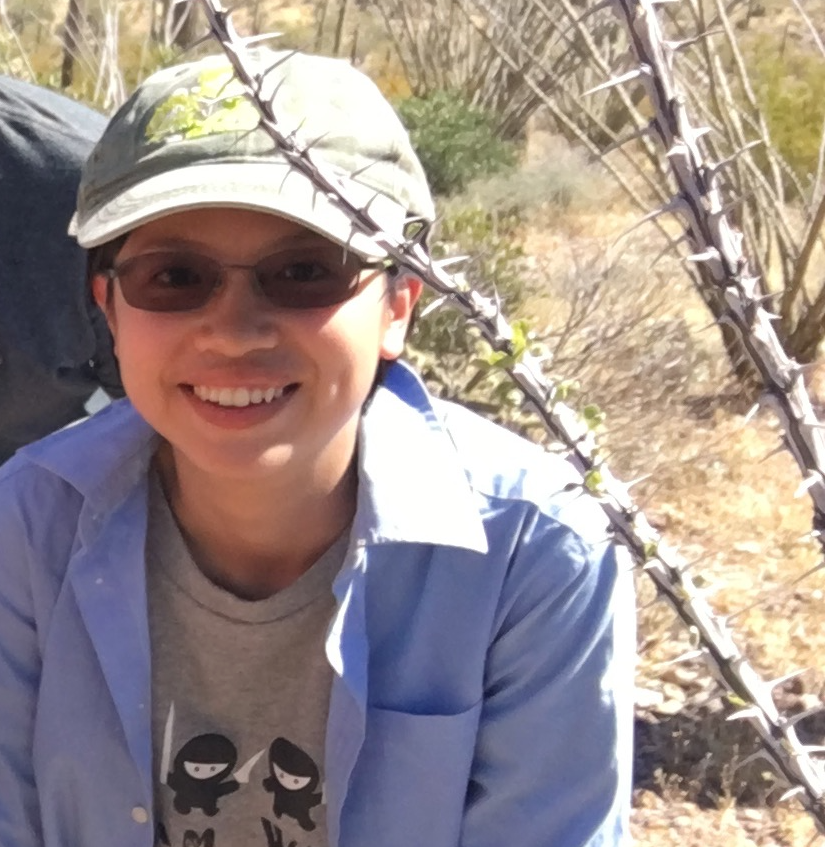
With the pandemic continuing to challenge us, I welcome Acacia Tang and Cong Liu who will both be carrying out 9 month CMEE data projects with me at Silwood. Acacia will be developing data pipelines to track bees on video and construct social network models, whilst Cong Liu will be exploring shotgun metagenomics data to model the optimal sequencing parameters to generate reliable data.
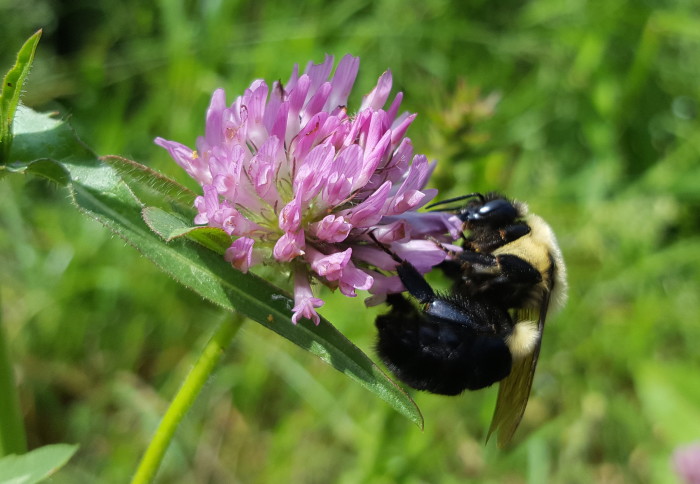
Press release by Hayley Dunning on a recent publication
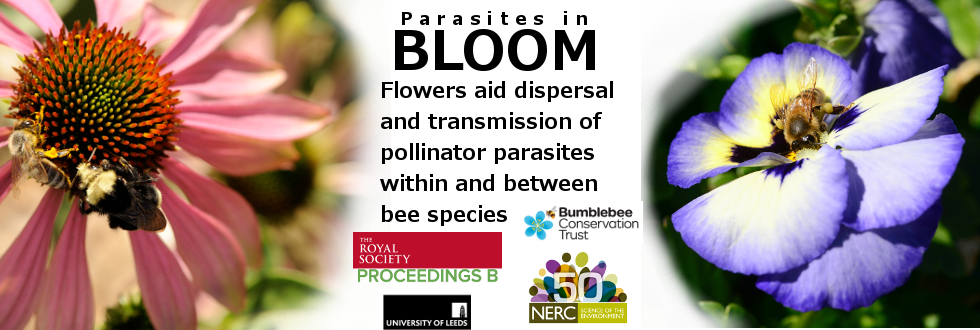
Having more flowers and maintaining diverse bee communities could help reduce the spread of bee parasites, according to a new study.
The research, conducted on more than 5,000 flowers and bees, reveals how bee parasites spread and what measures could help control them.
Bees can be infected with a cocktail of parasites that can cause a range of symptoms from reduced foraging ability to dysentery and death. Though parasites contribute to bee declines, scientists are unsure how they spread between bee species.
“It’s a little like if subway cars are sites of transmission between humans – if there are more subway cars, there are less people in each and less chance for transmission.” Dr Peter Graystock
Flowers are essential for bee health, but may also act as transmission hubs for bee diseases. Over a growing season the diversity and abundance of bees and flowers change but little is known about how this may be linked to the risk of parasite transmission.
The new study, published today in Nature Ecology and Evolution, suggests having more flowers and a more diverse bee community could help dilute the load of parasites, and that this may be particularly important in areas with high densities of social bees, such as honeybees and bumblebees.
Most studies of bee parasites focus on social bee species that often live in farmed colonies. Little is therefore known about the interactions between parasites and wild solitary bee species, or how parasites are transferred between them. The team behind the new paper studied how parasites are spread across diverse bee and flower communities, including solitary bee species.
Lead author Dr Peter Graystock, who completed the work at Cornell University and now works in the Department of Life Sciences at Imperial College London, said: “We found that when bee communities are at their most diverse, the proportion of infected bees were at their lowest; and when flowers were at their most abundant, fewer were likely to be acting as transmission hubs.
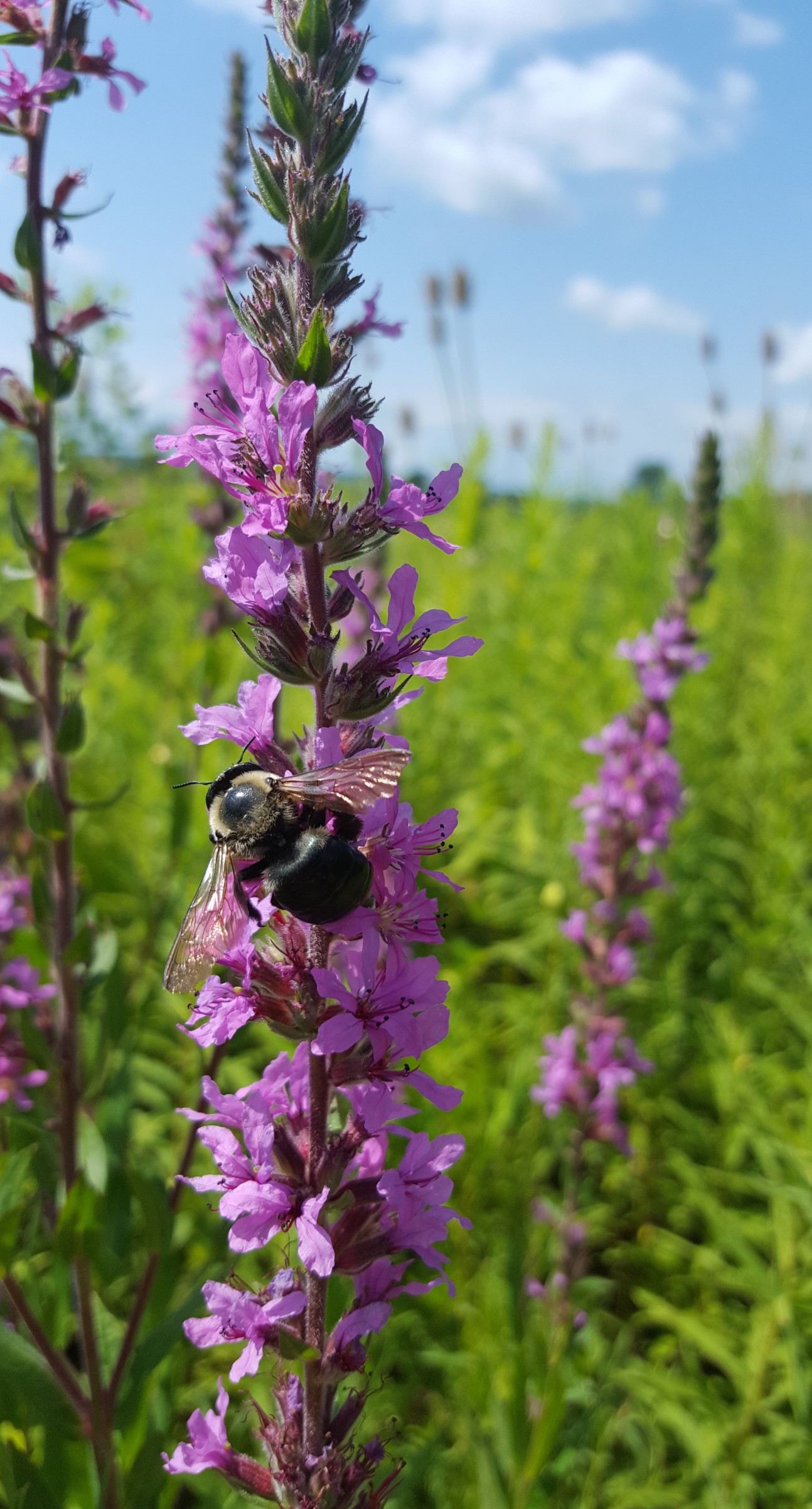 “There are two things potentially occurring here. In diverse bee communities, parasites are more likely to end up in a species they are not compatible with, meaning they can’t replicate and spread further. The second thing is by having more flowers, bees aren’t all visiting and contaminating the same few flowers with high concentrations of parasites.
“It’s a little like if subway cars are sites of transmission between humans – if there are more subway cars, there are less people in each and less chance for transmission. Furthermore if some of the ‘people’ riding the subway cars were different animal species that were not susceptible to the parasite, that too reduces the risk of transmission.”
The team screened more than 5,000 wildflowers and bees across a 24-week growing season, capturing changes as different flowers bloomed and different species of bee dominated.
Over 110 bee species and 89 flower species were screened, revealing 42% of bee species (12.2% individual bees) and 70% of flower species (8.7% individual flowers) had at least one parasite in or on them.
Bees had the highest prevalence of parasites late in the season, when social bees formed the majority of screened bees and overall bee diversity was lowest. This suggests keeping bee diversity high, with a variety of social and solitary species present, could help reduce the spread of parasites.
Since social bees are likely to come from farmed colonies, the researchers also say their research points to the importance of keeping hives healthy, to avoid infecting wild bees.
The study is the first time researchers have screened wildflowers and bees for parasites over the season, and as well as the abundance of flowers affecting transmission, the team also found that the species of flowers played a role.
For example, the species Lychnis flos-cuculi, commonly known as ‘ragged robin’, often had multiple parasite species on them, whereas Lythrum salicaria, or ‘purple loosestrife’ had few.
Dr Graystock added: “The power of this study is the number of bees and flowers screened over time, allowing us to see if the patterns fit with parasite transmission theory. We next want to dig deeper and understand some of the underlying mechanisms – such as why some flowers are more likely to harbour parasites than others.”
The work was funded by the National Institute of General Medical Sciences of the National Institutes of Health in the US.
To read more, please read the article;
‘Dominant bee species and floral abundance drive parasite temporal dynamics in plant-pollinator communities’ by Peter Graystock, Wee Hao Ng, Kyle Parks, Amber D. Tripodi, Paige A. Muñiz, Ashley A. Fersch, Christopher R. Myers, Quinn S. McFrederick and Scott H. McArt is published in Nature Ecology and Evolution.
I am advertising a fully funded PhD to work with me, Dr Richard Gill, and Dr Sophie Evison on one of the most damaging bee parasites.
Understanding the factors placing insect pollinators at risk is a research priority with our future food security reliant on the health of these important organisms. Bees are vital insect pollinators, making the high rates of colony losses observed in recent years a global issue. Whilst we know the drivers of bee losses are multifactorial, such as disease, pesticides, and land use change, we fall short of understanding how these three stressors interact. Indeed, a major challenge in host-parasite ecology is understanding the context-dependence of disease dynamics, and how disease severity is altered by multiple interacting stressors.
This studentship will focus on honeybees and one of the most destructive diseases they experience: European foul brood (EFB). This globally distributed disease causes significant damage to the beekeeping industry, and in the UK, EFB is one of only two microbial bee diseases considered so harmful that positive detection requires immediate notification to the authorities. Severe cases of the disease often result in the destruction/burning of the hive to prevent further spread. Yet despite the impact this disease can have, we currently have little understanding as to how additional stressors influence the severity and spread of this disease, nor the ultimate influence this has on honey bee health.
The student will explore the mechanism behind transmission of the causal bacteria of the disease (Melissococcus plutonius), before determining if key stressors (Land and pesticide use) influence the severity of the disease. Thanks to generous funding from CB Dennis British Beekeepers Research Trust and Bee Diseases Insurance Ltd, this directly-funded studentship will employ a suite of cutting-edge scientific techniques to address questions on what modulates the transmission and virulence of this disease. The project will add substantially to our understanding of the vulnerability of bees to this significantly destructive disease and the results will facilitate the formation of evidence-led disease management strategies.
The student will gain a set of interdisciplinary skills including field work, next generation DNA sequencing and bioinformatics, pesticide residue analysis, microbiology and honeybee keeping. The student will gain training and collaboration from leading scientists including supervisor Dr Peter Graystock (Imperial College London), Dr Richard Gill (Imperial College London), and Dr Sophie Evison (University of Nottingham), plus assistance from the National Bee Unit/Defra. Based at the Silwood Park campus, the student will join the world leading university of Imperial College and benefit from being surrounded by top researchers in the disciplines of ecology, evolution and conservation. Facilities include >100 hectares of field site, new controlled environment rooms, microbiology facility, labs tailored for bee research and spacious workspace.
Please send your CV, a one page cover letter explaining why you are suitable for this project, and the names and e-mail addresses of two referees to Dr Peter Graystock p.graystock@imperial.ac.uk by 13th January 2020.
Informal enquiries are welcomed and should be sent to Dr Peter Graystock p.graystock@imperial.ac.uk
The studentship is funded by the CB Dennis British Beekeepers Research Trust and Bee Diseases Insurance Ltd. Applicants should have a BSc degree at 2.1 or higher in Biology, Ecology, Microbiology or similar and to hold, or be about to obtain, a Masters degree. Exceptional students at Bachelors level without a Masters will also be considered. The project will start in September 2020.
The studentship covers a stipend for 3 years at current research council rates of £17,009 per year tax free, and tuition fees for UK and EU citizens.
Also advertised here: https://www.findaphd.com/phds/project/the-context-dependence-of-disease-spread-and-virulence-in-a-pollinator-system/?p114278
Delighted to announce that we have received funding for a 3 year PhD on ‘Transmission and trigger: the context dependence of disease spread and virulence in a pollinator system‘
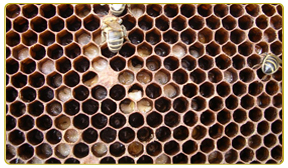
Funding announced for new PhD Studentship relating to honey bee health
“The CB Dennis British Beekeepers Research Trust and Bee Diseases Insurance Ltd are delighted to announce the awarding of funding to Dr Peter Graystock and Dr Richard Gill of Imperial College London and Dr Sophie Evison of the University of Nottingham for a project to investigate the transmission of the honey bee disease European Foul Brood (EFB)
Maintaining a healthy honey bee population is crucial for food security and preservation of the natural ecosystem service of pollination. European foul brood (EFB) is a disease of honey bee brood caused by the bacterium Melissococcus plutonius. Symptomatic infections of the larvae include the infected larvae losing their internal pressure, becoming flaccid, before ultimately dying and degrading to just a dark scale in the brood cell. This lethal effect on developing individuals has led it to be considered one of the most significant diseases of honey bees worldwide and responsible for substantial damage to the beekeeping industry. Yet to date, we are only just beginning to understand the transmission and triggers of EFB.
This project will look at these transmission routes and triggers of EFB with the ultimate aim of providing a better understanding and improved control over this disease.
Jointly the two organisations will be providing around £90,000 of funding over three years to support the PhD student research – emphasising that the beekeeping industry as a whole is serious about funding research into ensuring that we maintain a healthy honey bee population. “
Martin Smith, President of BDI said: “BDI is pleased to be able to fund this project. EFB is of great concern to our 180 member associations in turn to their 25,000 beekeeping members. As well as insuring against costs associated with disease, funding research to try and reduce its incidence is a clear aim of our organisation”
Simon Baker, the Chair of the CB Dennis Trust said: “The Trustees are very pleased to jointly fund this valuable research. Cooperating in this way helps us fund larger projects such as Studentships, which train the next generation of research scientists as well as helping better understand bee diseases.”
Dr Peter Graystock said: “This studentship will provide valuable insight into one of the most destructive honeybee diseases. We are incredibly excited that The CB Dennis British Beekeepers Research Trust, and Bee Diseases Insurance Ltd recognised the importance of this work and agreed to fund the studentship ”
Details about the studentship can be found here: https://www.findaphd.com/phds/project/the-context-dependence-of-disease-spread-and-virulence-in-a-pollinator-system/?p114278
Congratulations to Chloe on completing her project looking at the influence of the microbiome on bee flight dynamics!
Days…weeks…. Months! spent hand rearing hundreds of bees finally paid off this week for Chloe who completed her Masters with a well-earned distinction! We wish Chloe continued success as she leaves us to start a PhD at the University of Nottingham!
Iconic quote from Chloe “You can’t rush a masterpiece!!”
Maintaining a healthy honey bee population is crucial for food security and preservation of the natural ecosystem service of pollination. European foul brood (EFB) is caused by the bacterium Melissococcus plutonius and is a disease of honey bee brood, which leads to their death. Symptomatic infections of the larvae include the infected larvae losing its internal pressure, becoming flaccid, before ultimately dying and degrading down to just a dark scale in the brood cell. This lethal effect on developing individuals has led it to be considered one of the most significant diseases of honey bees worldwide and responsible for substantial damage to the beekeeping industry. In the UK, EFB and the relatively rare disease American Foul Brood (AFB) are the only microbial bee diseases considered so harmful that their detection requires immediate notification to the authorities. Upon notification, disease status will be confirmed and if necessary, hives will be destroyed to prevent further disease spread. So far this year (Jan-Aug 2019) 547 hives have been found to have EFB and 388 have been destroyed as a result.
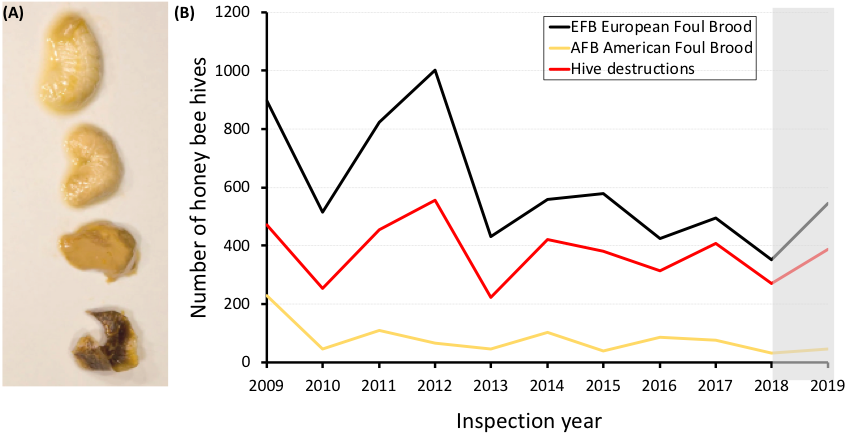
The effects and trends of EFB in UK honey bees. EFB causes infected larvae to lose internal pressure, become flaccid, die, and ultimately degrade to a dark scale (A). Based on data from the National Bee Unit (B), incidence of EFB disease is ever present in the UK, and compared to last year, this year has seen an increase in detection and ultimately in hive destructions. Data for 2019 is still being compiled so is greyed out. Compared to 2018, there is a similar number of hives screened already in 2019 (30,392 in 2018, 29,452 so far in 2019).
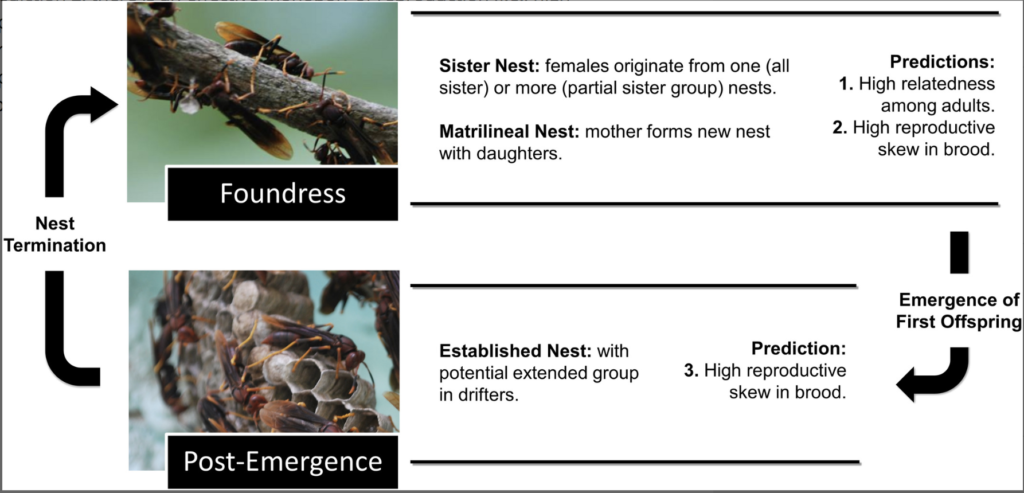
Following from the publication of our article “High indirect fitness benefits for helpers across the nesting cycle in the tropical paper wasp Polistes canadensis.” in Molecular Ecology, the publisher invited lead authors Robin Southon and Emily Bell for interview. Read all about their experiences leading this work
Interview with the authors: High indirect fitness benefits for helpers across the nesting cycle in the tropical paper wasp Polistes canadensis
This Spring, undergraduate student Helena has been hard at work determining the medicinal effect of a dietary antioxidant on bee health. Not only has her work shed light on the influence of antioxidants to bee health, but she earned herself a first-class degree! Congratulations Helena! Enjoy your gap yah!
Iconic quote from Helena “a bee touched my hand …and I don’t know what happened next, but I lost my earring”

Over the coming months we will be increasing our focus on insect cognition thanks to funding from the British Ecological Society! If you are a student interested in this field and are looking for a project based at Silwood, please get in touch – we have lots of cool projects!

I’m excited to announce that I have started my new position at Imperial College London (Silwood Park campus)! Over the coming years I will be looking at the role of the microbiome in bee health. This will include a range of topics from microbiome transmission and diversity, to the functional role of the microbiome and how me may engineer bespoke microbiomes.
I will be working closely with the Gill lab in addition to Tim Barraclough and Tom Bell.
Keep checking back for opportunities to work in the lab!
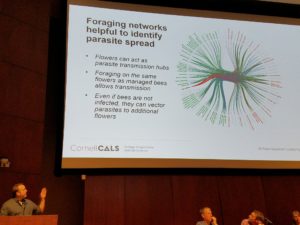 Today I was honoured to have been one of 4 experts invited to the panel of the 2018 Liberty Hyde Bailey Lecture at Cornell University. Together with Dr Scott McArt, Dr Phoebe Koenig, and Hailey Scofield we discussed the health of pollinators, current research in the field and future directions.
It was a lively talk and discussion which was both well attended and streamed live! The audience were mostly Cornel Alumni from a diverse range of fields which encouraged a broad range of discussion and lots of interested faces and interesting questions!
Today was the joint pollinator symposium between Cornell University and Pennsylvania State University, based at PSU. It’s my first visit to PSU which is a great university that in addition to hosting some awesome scientists, seems to benefit from an earlier emergence of spring and we got to sit outside and see the odd bumblebee in flight which is still rare in Ithaca at the moment!
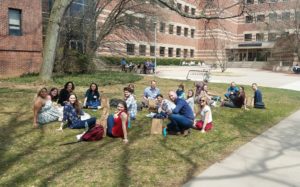
The symposium was great and lovely to mix with everyone that’s part of the pollinator groups at PSU. It was good to present some of the EEID project findings and get feedback. It’s actually looking like quite a few people are not looking at the role of flowers as transmission hubs for pollinator parasites which is really neat! I look forward to hearing more and seeing how this topic develops!
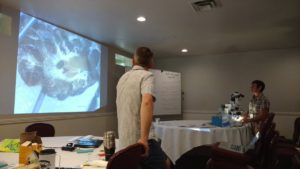 BOMBUSS was conceived, and its inaugural meeting planned, by Jamie Strange (USDA-ARS), Amber Tripodi (USDA-ARS), Neal Williams (UC-Davis) and Hollis Woodard (UC-Riverside). Funding to support the meeting was obtained through a grant from the USDA-National Institute of Food and Agriculture to J. Strange and A. Tripodi and supplemental funding was provided by the USDA-ARS-National Program Staff Professional Activities Fund.
The BOMBUSS brought bumblebee researchers together to discuss the methodologies currently used to investigate these important pollinators. As domestication of bumble bees has expanded worldwide, so has research on this group of bees as model organisms for study, as crop pollinators, and as conservation targets. The growth of this field of study has been rapid, prompting the need to convene this meeting to discuss the need and potential for standardization of methods.
I thought it was a very productive meeting with many future collaborations set out! There was a great interchange of ideas and methods and several plans to publish the standardised methods we discussed. Maybe there will be a Bombuss 2? I hope so!
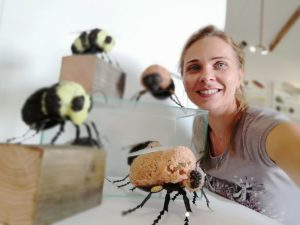 One of the collaborations i made with artists from the cross-pollination project has come to fruition, and its amazing!! The networking project aims to bring Art and Science together, producing creative art projects that explore and promote the crisis facing pollinators and to influence policy decision making.This particular artwork is a collaboration between the artist Dr Tyra Oseng-Rees and supporting artist Carly Wilshere-Butler from Swansea College of Art at UWTSD, myself , and Sinead Lynch from Bumblebees Conservation Trust.
Six different types of bumblebees has been made out of recycled bottle glass and is currently exhibited at the National Botanic Garden, Wales until the end of August 2017 before the exhibition will be moved to Dr Beynon’s Bug Farm in Pembrokeshire. Different bumblebees have been made using a combination of fused recycled glass and enamelled mild steel and wiring. The recycled glass has been collected form waste bottles, subsequently cleaned and crushed into a fine small grained cullet before moulded around a hand-crafted model of a bumblebee and fired in a kiln.
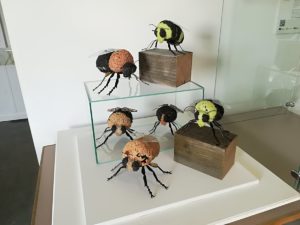
The Bumblebees made are:
White- tailed bumblebee, male Bombus lucorum
Common carder bee, female Bombus pascuorum
Red-tailed bumblebee, maleBombus lapidarius
Tree bumblebee, female Bombus hypnorum
Red-tailed cuckoo bumblebee, female Bombus rupestris
Gypsy cuckoo bumblebee, femaleBombus bohemicus
Learn more about the recycled glass bees and the project here: https://www.osengreesreflection.com/projects/#/recycled-glass-bumblebees/
Today my role on the NIH funded project on Ecological Emerging Infectious Diseases (EEID), moves to Cornell university. Based in Dr Scott McArts Lab, i will be leading the considerable molecular work on this $2 million NIH grant that takes a trait based approach to understanding the spread of infectious microbial parasites in wild bees.
As I mentioned in the earlier post upon receiving the funding, this is a large collaborative project and my hope is that it will make large strides in helping us understand the drivers of parasite spread in bees, and therefore let us identify ways to reduce parasite spread.
One of the first things i’m doing is collecting wild flowers and bees and observing pollinator behaviour within the complex flower-pollinator networks at the sample sites.