
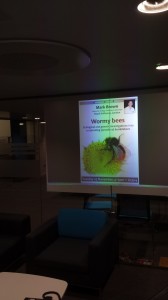
 Today I had the pleasure of hosting the visit of Professor Mark Brown to the University of Bristol.
It was great to see Mark but his visit was a hectic blend of food, refreshments and a discussion group with graduate students before treating us to a seminar on his work on bumblebee nematodes.

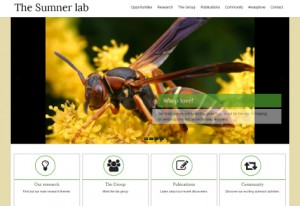 Today I started putting the finishing touches on the Sumner Lab website that showcases some of the work my Principal investigator Dr Seirian Sumner and her group have been producing. L Hopefully with help from the rest of the group, we will keep this updates with the groups output!
 It feels like its been a long time coming! 4 years of ‘messing about with bees’, the compilation of a 7 chapter thesis, handing it in, a VIVA, some minor corrections and handing in the final, final draft (which by then bore the name ‘Final2_edited3_new_currentX’). I today had the formality of the graduation ceremony. It may have been one of the hottest days of the year but nothing was stopping me from donning my massive green gown on top of my suite.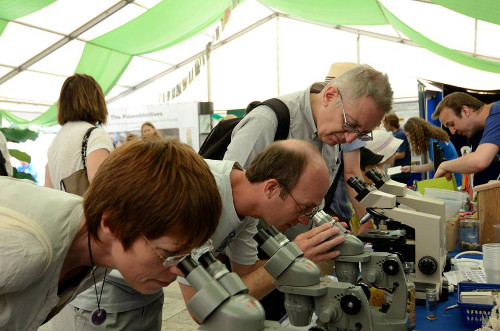

 To celebrate a joint meeting on the subject of bee health hosted by the Biochemical Society, the British Ecological Society and the Society for Experimental Biology in January 2014, the BES has compiled this virtual issue on Pollinator Ecology. The included papers are drawn from all five journals and provide examples of the latest research in pollinator ecology from flower visitation and ecosystem services, to the effects of invasive pollinators, agriculture, pesticides and bee pathogens. We hope that this selection of papers will be of interest to researchers and stakeholders in this highly topical field.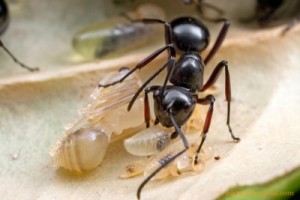
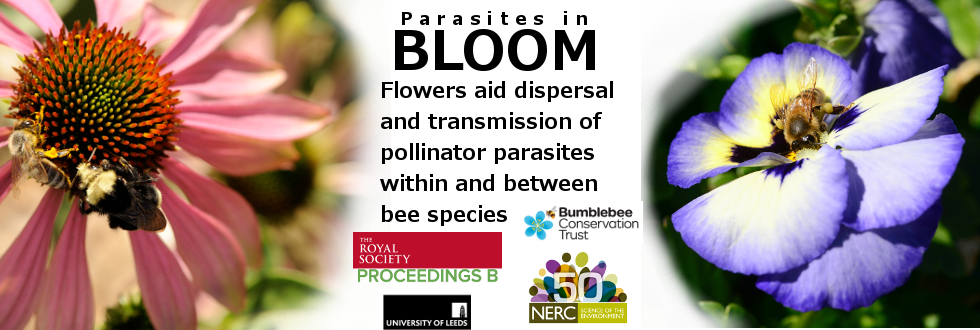
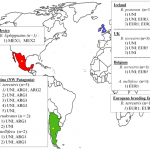 A. bombi from Argentina and Europe share a common, relatively recent origin. The absence of genetic structure across space and host species suggests that A. bombi may be acting as an emergent infectious disease across bee taxa and continents.
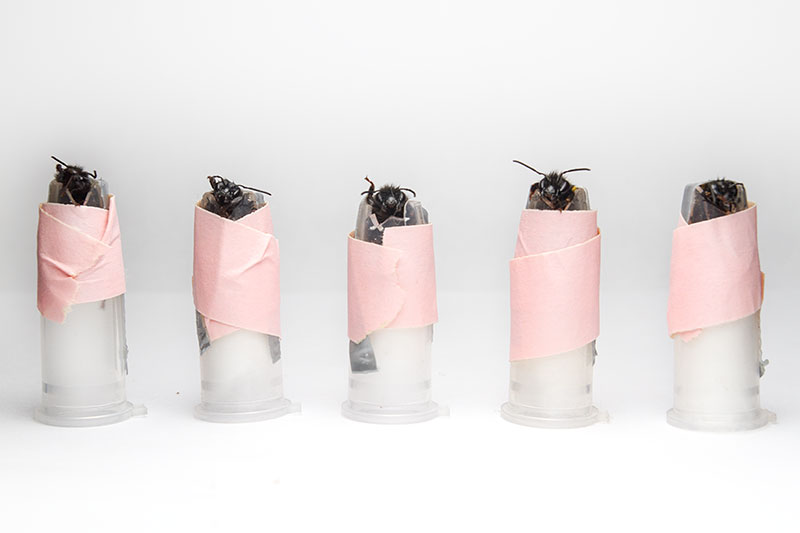
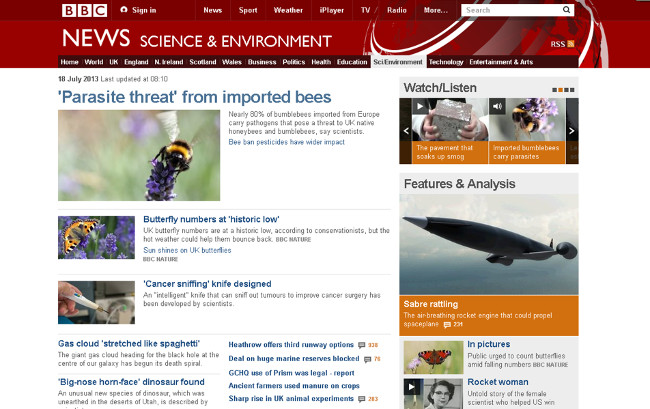
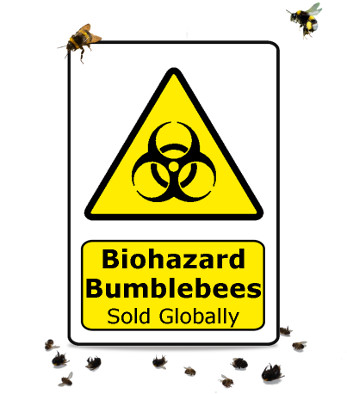 Results from my newly published work,
 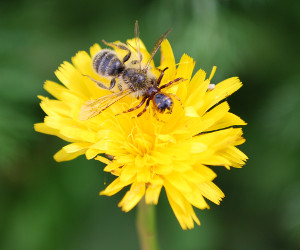 Back from co-supervising the 2013 Zoology/Ecology students in Spain. Despite an unusual lack of crab spiders, students still managed to get enough data for a good project/presentation. We also had projects including Messor Harvesting efficiency, Scorpion territories and competition between Messor Sp. and Tapinoma erraticum.
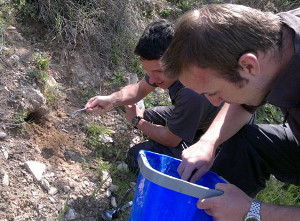 Sometimes, the most desirable tool, is an item of cutlery! Here is a picture of Chris Tranter and I, taking a closer look at some of the local ant colonies. When we weren’t doing this, we had students working on various projects including Messor ant scouting behaviour, forager recruitment in Camponotus ants and arthropod diversity.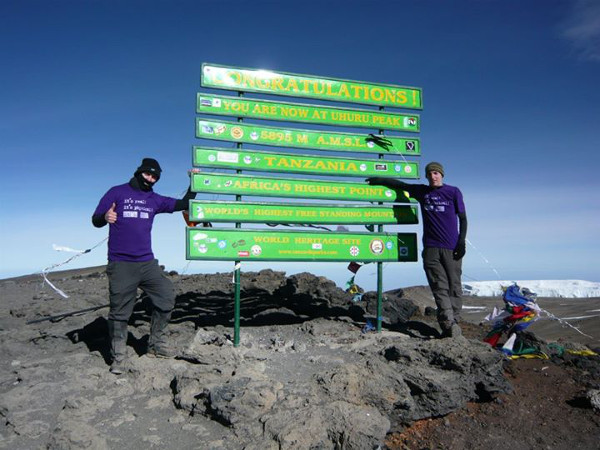
 There’s not a lot I can do to help my friend, or indeed CFS sufferers in general, though it seems in many cases, the Doctors can’t completely help either. What I can do, and will do however is try to raise awareness of the disease. Raising awareness amongst friends and strangers alike and hopefully as I go, I may raise some money for the ME association who will further increase awareness and research into the treatment of CFS.
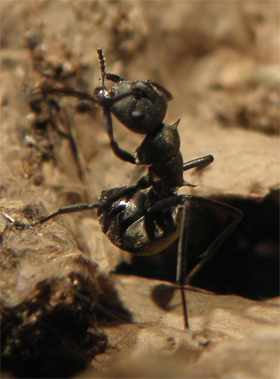 Here we used the generalist entomopathogenic fungus Metarhizium to compare the disease resistance of a species of a weaver ant, Polyrhachis dives, which has lost the metapleural gland, with that of the well-studied leaf-cutting ant Acromyrmex echinatior and two other ant species, Myrmica ruginodis and Formica fusca, all of which have metapleural glands.
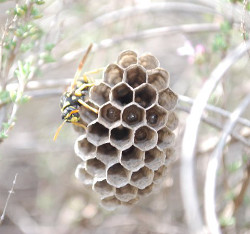 I am back from co-supervising students on the Ecology field trip. Projects this year have included the colony founding success of Polistes wasps, central foraging theory and Wild boar ecology. Altogether making this year really exciting with a lot of ideas for development next year!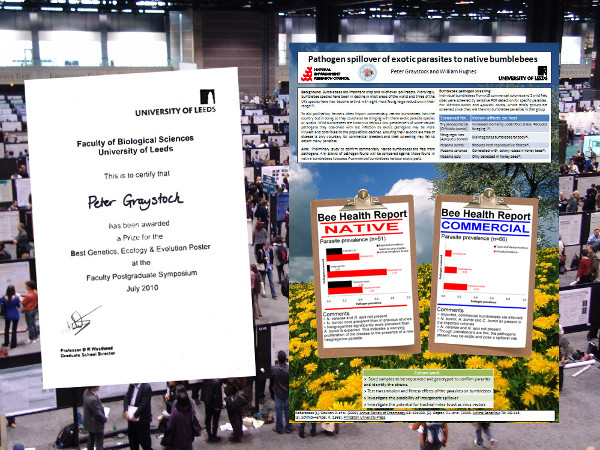
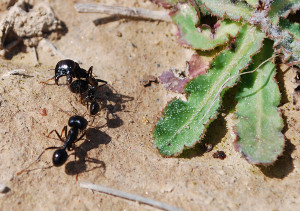 Back from co-supervising the 2010 Ecology field course in Spain. With MSc and Bsc projects ranging from oil beatle behaviour to Messor ant aggression, its been a great trip with all the students doing really well!
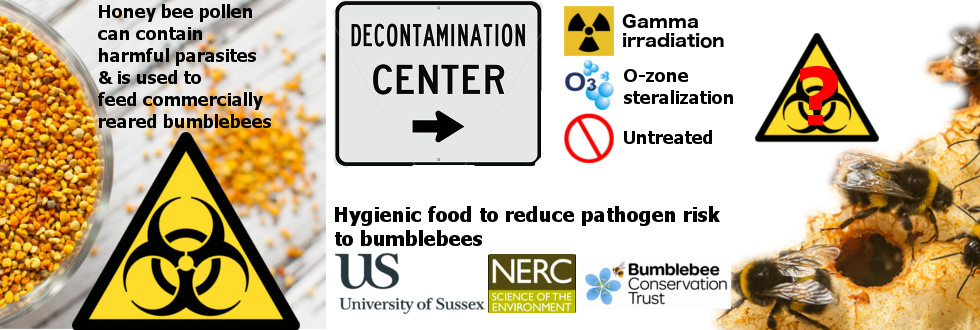
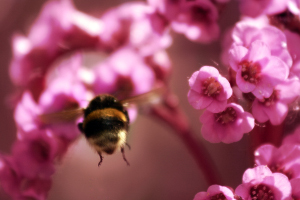 ”In a three year Natural Environment Research Council (NERC)- funded study PhD student Pete Graystock will screen native and foreign bumblebees as using advanced molecular techniques to identify parasite DNA. They will also investigate the affects of parasites on bee health.
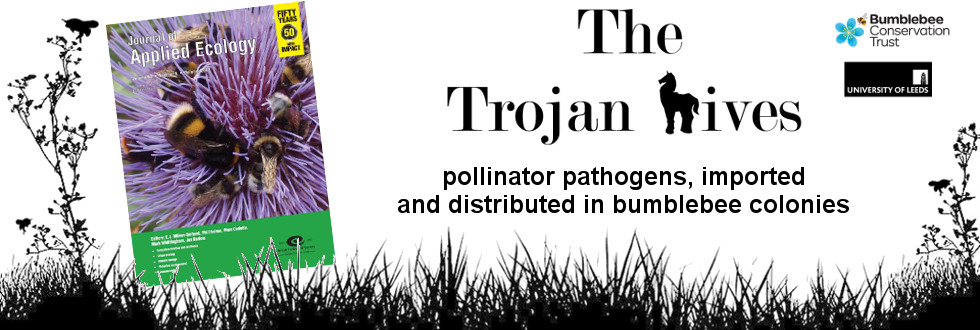
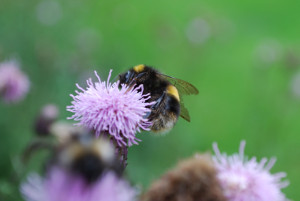 PhD: I’ve embarked on a 3.5 year research PhD investigating pathogen spillover from commercial bumblebees colonies to native bees. Based at the University of Leeds with Dr William Hughes, the work will be done in partnership with the bumblebee conservation trust.