
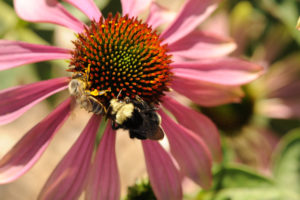
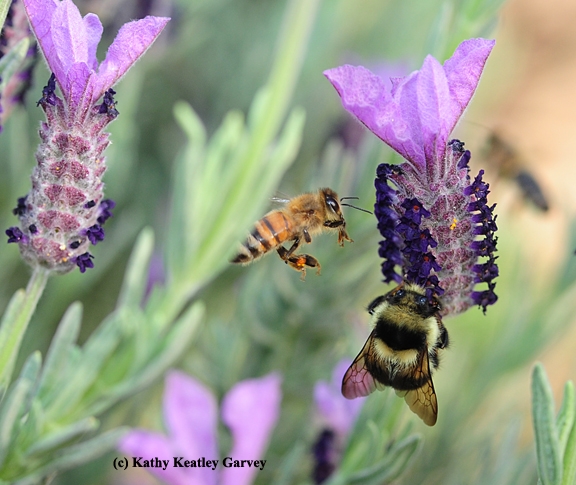
 Over the past year I have helped Dr. Scott McArt from Cornell University to get preliminary data and write an NIH grant to investigate the spread of parasites in wild bees. It has now been confirmed that the 5 year, $2 million grant has been awarded!
The grant also includes Professor Steve Ellner and Professor Chris Myers (both at Cornell), Professor Lynn Adler at the University of Massachusetts, Amherst; Dr Rebecca Irwin at North Carolina State University; and Dr Quinn McFrederick University of California, Riverside.
Over the course of the grant, we will look to model the transmission of parasites by developing a technique that looks at broad traits shared among species. Such techniques are a growing trend among community ecologists but have never been used with pollinators and plants. This method will simplify how data are processed; traditional taxonomic approaches consider the relative importance of each individual bee and flower within an ecosystem to tease out patterns of interactions and transmission.
The results will help inform land managers, farmers, landscapers and others which wildflower traits promote bee health and which may spread disease.
To read more see a news article here or visit Dr Scott McArts webpage

 Today I had the pleasure of hosting the visit of Professor Mark Brown to the University of Bristol.
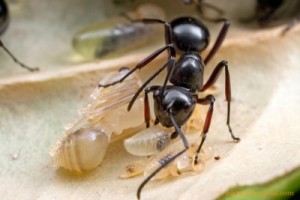

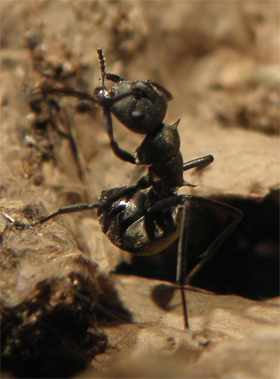 Here we used the generalist entomopathogenic fungus Metarhizium to compare the disease resistance of a species of a weaver ant, Polyrhachis dives, which has lost the metapleural gland, with that of the well-studied leaf-cutting ant Acromyrmex echinatior and two other ant species, Myrmica ruginodis and Formica fusca, all of which have metapleural glands.
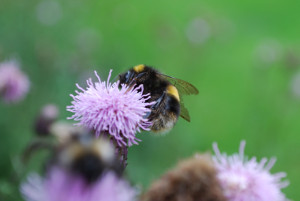 PhD: I’ve embarked on a 3.5 year research PhD investigating pathogen spillover from commercial bumblebees colonies to native bees. Based at the University of Leeds with Dr William Hughes, the work will be done in partnership with the bumblebee conservation trust.