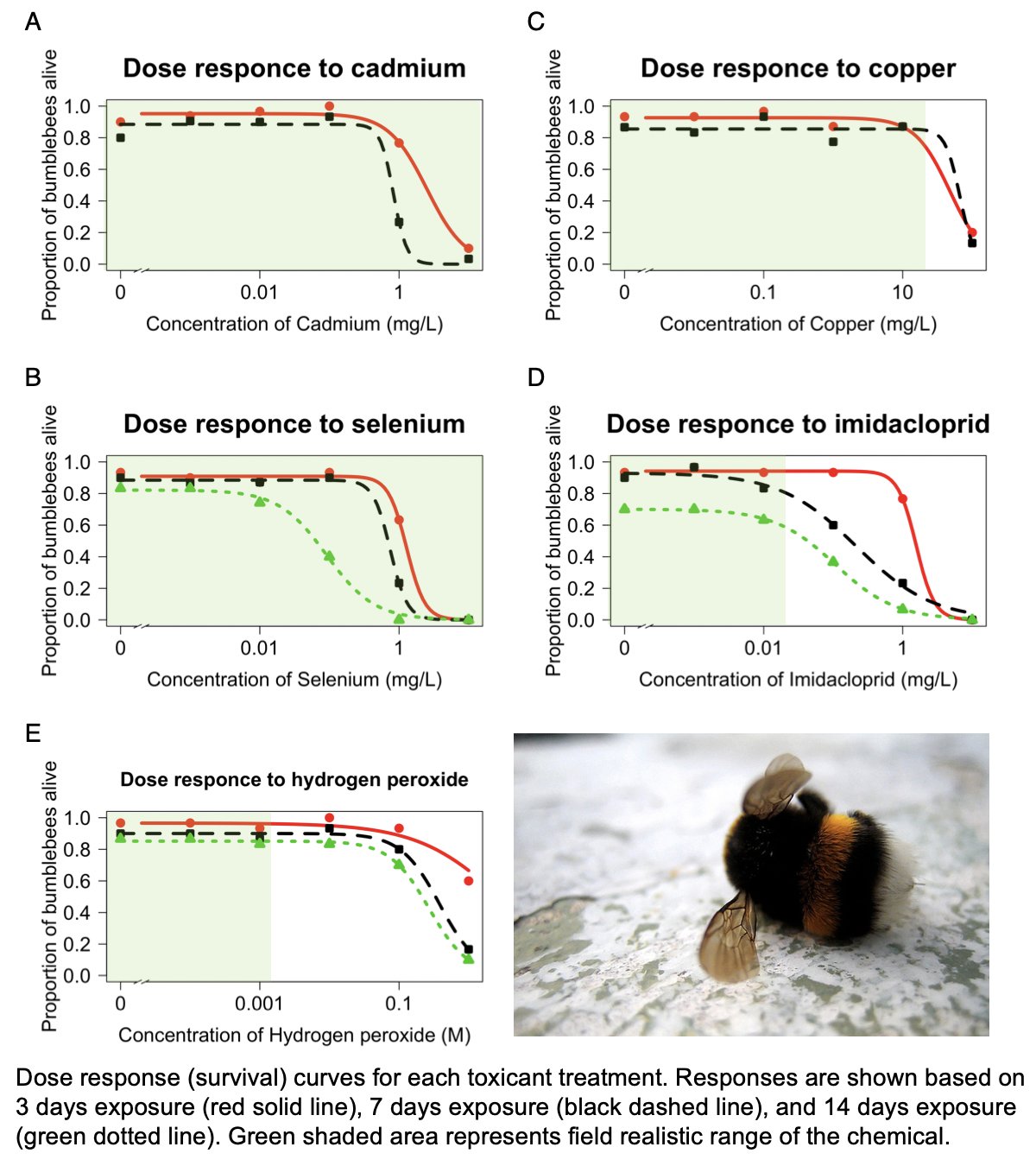
New research published: The direct & indirect toxicity of natural & synthetic chemicals on bee survival & microbiome health. We also explore the genomes of bee associated microbes and identify numerous genes that may play a role in protecting bees against some toxin exposure
Take-home: Several chemicals kill bees at concentrations found in nectar, pollen & honey. They also sub lethally effect microbiomes which may reduce the health of bees not killed outright. Microbe genomes suggest they may be some help!
https://royalsocietypublishing.org/doi/10.1098/rspb.2020.0980
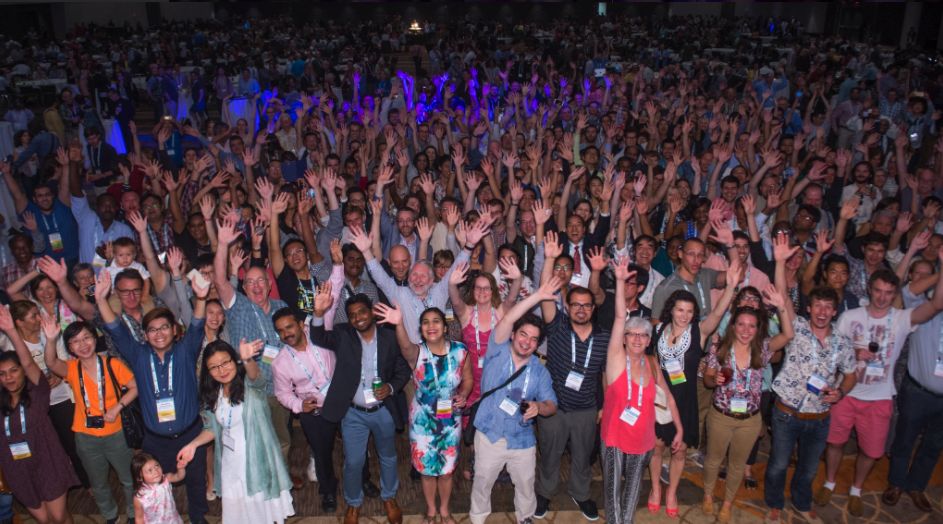
 The first thing i must say, is this was a HUUUGE event! Far bigger than any other conference i have attended. There was a total of 6,682 delegates from 102 countries! Spread over a large venue, it really was a race to get to the different talks in time with 10’s of talks taking place at any one time it took most of a morning to plan each day! The topics were diverse across the entire diversity of insects (as you can imagine), and frustratingly, but maybe not surprisingly, many of the bee talks weren’t necessarily near the rooms where the parasite or microbiome talks were being done! That couldn’t stop me from being excited to be there though and see as many talks as i could! I should also mention that i was there, in part, because of the generosity of the ESA who kindly awarded me an Early Career STEP travel award to attend and present my work – THANK YOU ESA!
 Well, somehow in between all the talks and the running around i was able to meet some great new friends, many of whom i’ve read a lot of their awesome work! Also, i got the chance to catch-up with post-docs and supervisors of christmas past! A postdoc from my time at the University of Leeds, Dr. Adam Smith, is about to publish some bumblebee behaviour work we did together from our time at Leeds, which is fantastic! and Dr. Seirian Sumner will shortly become a reader at UCL!
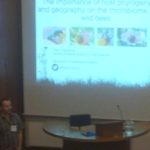 I presented some of the Work i have been doing with Dr. Quinn McFrederick and Dr. Sandra Rehan, looking at the microbiomes of wild bees and their associations with bee collected pollen. It led to some really interesting conversations and hopefully some follow-up collaborations – which is brilliant!