
Here, I look at the microbiomes in wild and managed bees. Microbiomes are the communities of microbes that live in the digestive tract of bees. We believe many of these microbes provide benefits to the host bee; and honey bees in particular are known to have a consistent community of microbes. However, research of the honey bee microbiome can only provide limited insight into wild bees. By looking at the microbiomes in the closely related Ceratina bees and distantly related Megalopta we examine how different the microbiomes are between different bees. We then look to see if the microbes found in the bee collected pollen is similar to the microbiomes.
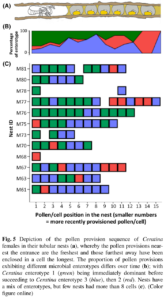
This is particularly interesting in the Ceratina pollen which is provisioned in brood cells in sequence so we could link it to its time since being regurgitated by the bee
Unlike honey bees, whose gut microbial community differs compared to their pollen, Ceratina adults and pollen largely share a similar microbial composition. This suggests the environmental transmission of microbes from flowers is likely to be important for wild bees like Ceratina who do not benefit from social transmission like honeybees do. We go on to discuss the consequences of diversity in core microbiota between bee genera and their associations with pollen in relation to identifying potentially beneficial microbial taxa in wild bees to aid the conservation of wild, understudied, non- model bee species.
click here to learn more from this study
 The article was written in collaboration with undergraduate student Kathryn Yates, plus Ben Darvill from the Bumblebee Conservation Trust and my PhD supervisors Dave Goulson and William O.H. Hughes. It describes how we identified the parasite, Nosema ceranae in wild bumblebees in the UK. We go on to test the effects of this parasite on the common bumblebee Bombus terrestris, and find it to be harmful to the bumblebees survival and an aspect of their physiology known as the Proboscis extension response.
 Whilst we know a lot about the foraging preferences of honey bees, little is known about the foraging preferences of bumblebees. In this new study, we show that whilst the majority of foraging bumblebees are generalists (feeding on both pollen and nectar), some bumblebees do specialise on only foraging for pollen, and some specialise on nectar. Believing this may be linked to the different sizes of bumblebee foragers that a colony produces, we set about looking for relationships between this foraging preference and the body size, fat content, sucrose sensitivity and ovary size of the workers.
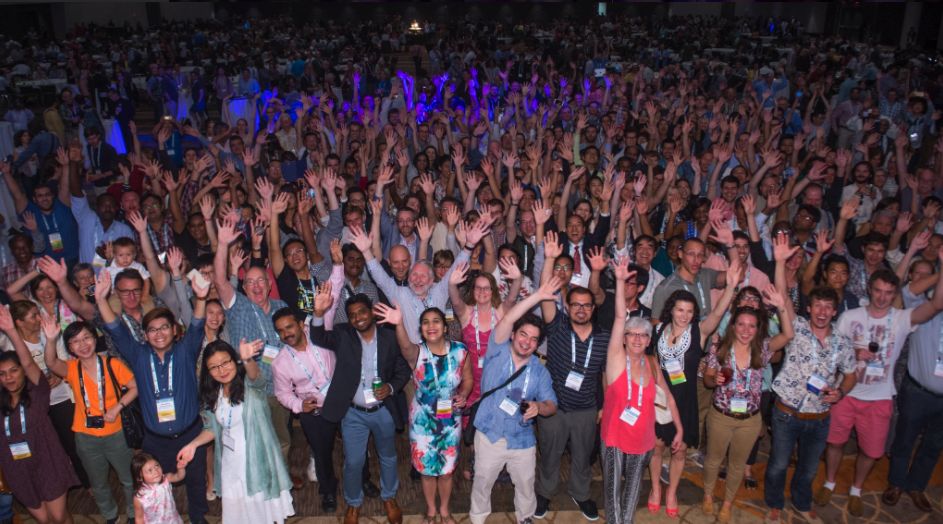
 The first thing i must say, is this was a HUUUGE event! Far bigger than any other conference i have attended. There was a total of 6,682 delegates from 102 countries! Spread over a large venue, it really was a race to get to the different talks in time with 10’s of talks taking place at any one time it took most of a morning to plan each day! The topics were diverse across the entire diversity of insects (as you can imagine), and frustratingly, but maybe not surprisingly, many of the bee talks weren’t necessarily near the rooms where the parasite or microbiome talks were being done! That couldn’t stop me from being excited to be there though and see as many talks as i could! I should also mention that i was there, in part, because of the generosity of the ESA who kindly awarded me an Early Career STEP travel award to attend and present my work – THANK YOU ESA!
 Well, somehow in between all the talks and the running around i was able to meet some great new friends, many of whom i’ve read a lot of their awesome work! Also, i got the chance to catch-up with post-docs and supervisors of christmas past! A postdoc from my time at the University of Leeds, Dr. Adam Smith, is about to publish some bumblebee behaviour work we did together from our time at Leeds, which is fantastic! and Dr. Seirian Sumner will shortly become a reader at UCL!
 Over the past year I have helped Dr. Scott McArt from Cornell University to get preliminary data and write an NIH grant to investigate the spread of parasites in wild bees. It has now been confirmed that the 5 year, $2 million grant has been awarded!
 I presented some of the Work i have been doing with Dr. Quinn McFrederick and Dr. Sandra Rehan, looking at the microbiomes of wild bees and their associations with bee collected pollen. It led to some really interesting conversations and hopefully some follow-up collaborations – which is brilliant!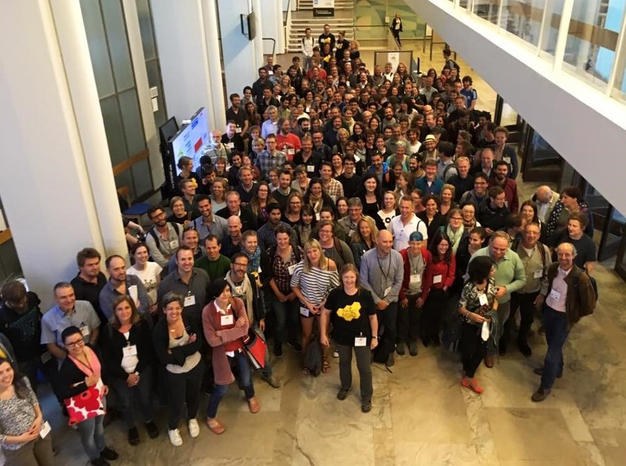
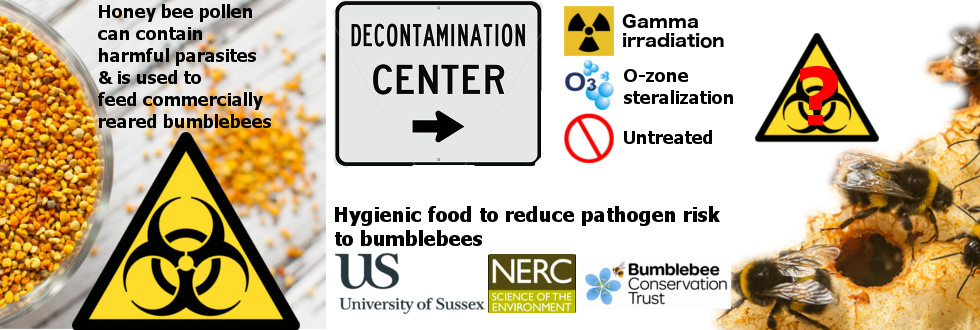 The bumblebee industry relies heavily on pollen to feed the bees. This pollen is harvested from the legs of honeybees then fed to bumblebees. The problem with this is that it may contain parasites that are infective to bumblebees!
 The deformed wing virus (DWV), known to be ubiquitous in honey bees, has now been detected in bumblebees. In addition, the neogregarine Apicystis bombi has been discovered to be more prevalent than previously thought. Here, we assess for the first time the lethal and sublethal effects of these parasites during single and mixed infections of worker bumblebees (Bombus terrestris). Overall, we find that A. bombi exhibits both lethal and sublethal effects. DWV causes lethal effect and may reduce the sub lethal effects imposed by A. bombi. The results show that both parasites have significant, negative effects on bumblebee health, making them potentially of conservation concern
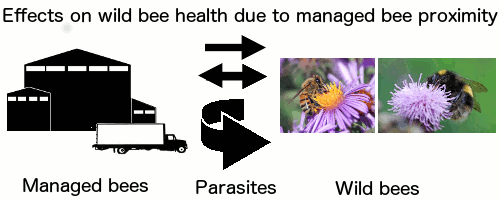
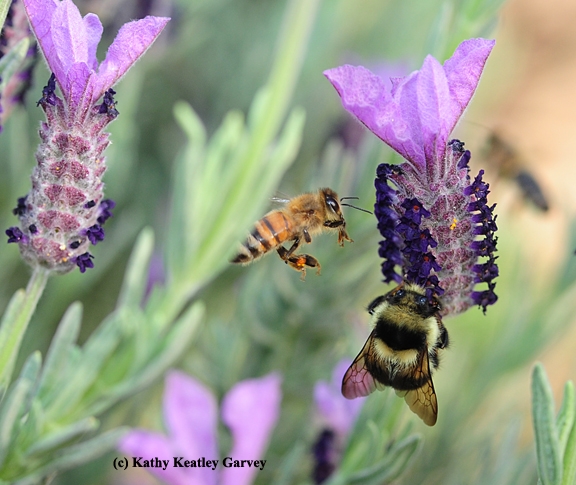


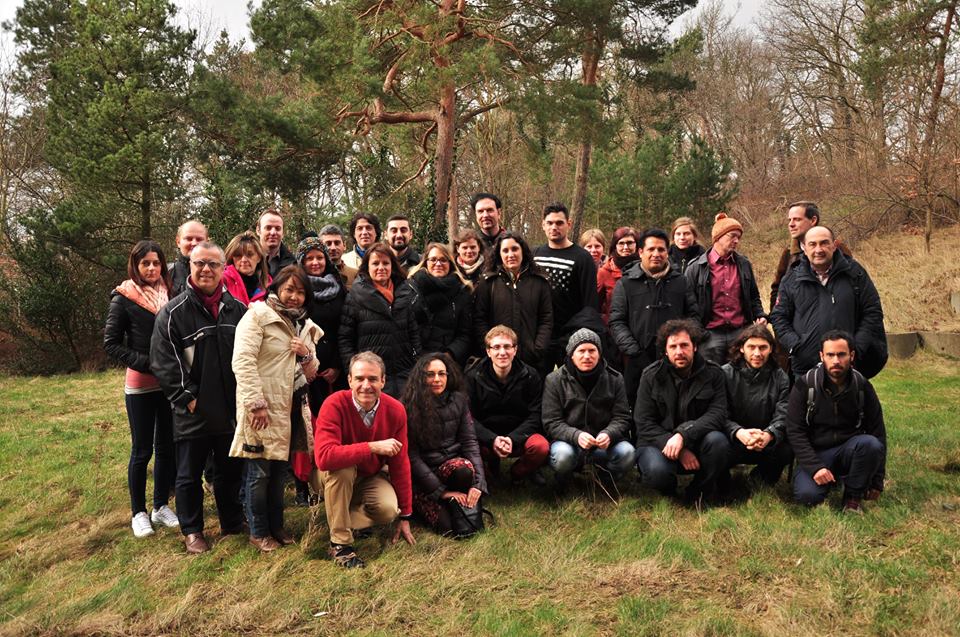
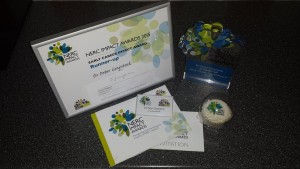 I’ve had a great evening at the NERC awards. Whilst I didn’t win, I came runner-up which means I get funding to continue researching threats commercial bees may pose to wild bees…and I got a cupcake!
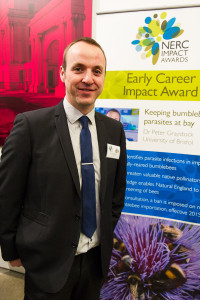 In my category of ‘Early career impact’, Professor Hannah Cloke won for her work developing new techniques and methods to forecast flooding. The award evening, hosted at the Royal Institute of British Architects in London, was a huge networking event with key industrial partners attending and provided a platform to launch the NERC 50th anniversary year, celebrating half a century of ground-breaking science.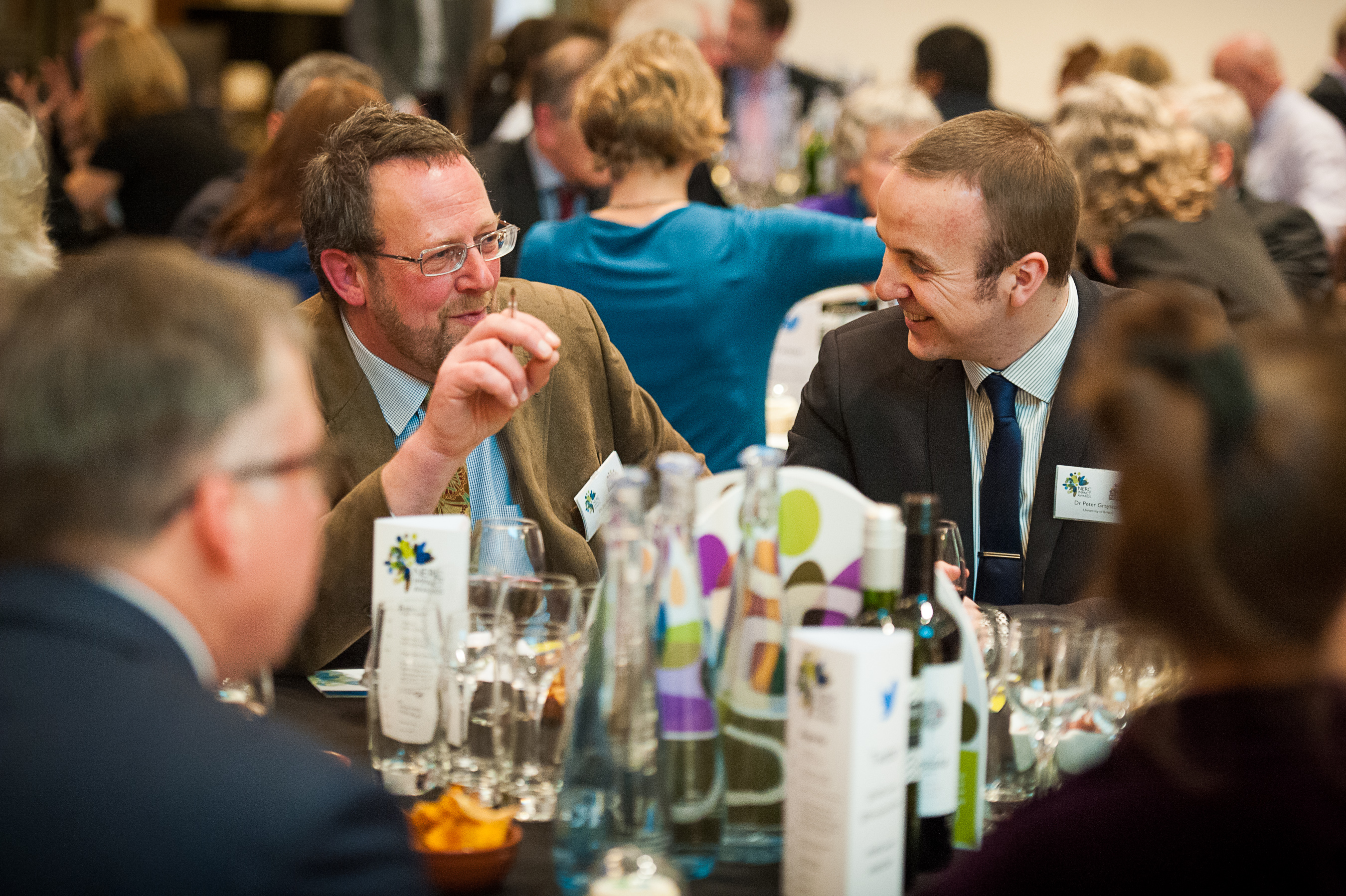
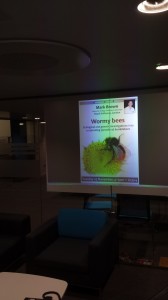 Today I had the pleasure of hosting the visit of Professor Mark Brown to the University of Bristol.

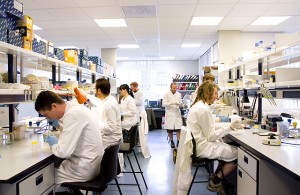
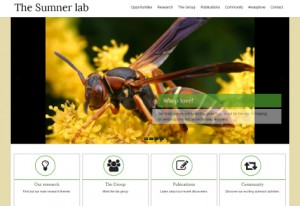 Today I started putting the finishing touches on the Sumner Lab website that showcases some of the work my Principal investigator Dr Seirian Sumner and her group have been producing. L Hopefully with help from the rest of the group, we will keep this updates with the groups output!
 It feels like its been a long time coming! 4 years of ‘messing about with bees’, the compilation of a 7 chapter thesis, handing it in, a VIVA, some minor corrections and handing in the final, final draft (which by then bore the name ‘Final2_edited3_new_currentX’). I today had the formality of the graduation ceremony. It may have been one of the hottest days of the year but nothing was stopping me from donning my massive green gown on top of my suite.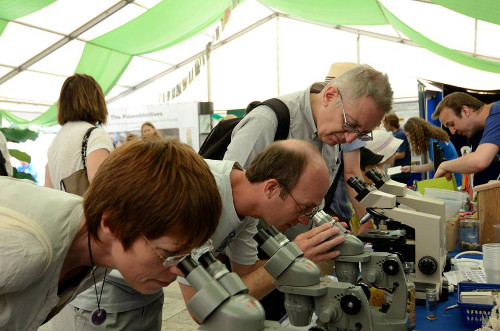

 To celebrate a joint meeting on the subject of bee health hosted by the Biochemical Society, the British Ecological Society and the Society for Experimental Biology in January 2014, the BES has compiled this virtual issue on Pollinator Ecology. The included papers are drawn from all five journals and provide examples of the latest research in pollinator ecology from flower visitation and ecosystem services, to the effects of invasive pollinators, agriculture, pesticides and bee pathogens. We hope that this selection of papers will be of interest to researchers and stakeholders in this highly topical field.
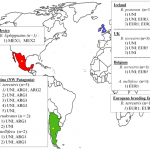 A. bombi from Argentina and Europe share a common, relatively recent origin. The absence of genetic structure across space and host species suggests that A. bombi may be acting as an emergent infectious disease across bee taxa and continents.
