With the pandemic continuing to challenge us, I welcome Acacia Tang and Cong Liu who will both be carrying out 9 month CMEE data projects with me at Silwood. Acacia will be developing data pipelines to track bees on video and construct social network models, whilst Cong Liu will be exploring shotgun metagenomics data to model the optimal sequencing parameters to generate reliable data.
Author Archives: siteadmin
Press release on our recent publication
More flowers and pollinator diversity could help protect bees from parasites

Press release by Hayley Dunning on a recent publication
Having more flowers and maintaining diverse bee communities could help reduce the spread of bee parasites, according to a new study.
The research, conducted on more than 5,000 flowers and bees, reveals how bee parasites spread and what measures could help control them.
Bees can be infected with a cocktail of parasites that can cause a range of symptoms from reduced foraging ability to dysentery and death. Though parasites contribute to bee declines, scientists are unsure how they spread between bee species.
“It’s a little like if subway cars are sites of transmission between humans – if there are more subway cars, there are less people in each and less chance for transmission.” Dr Peter Graystock
Flowers are essential for bee health, but may also act as transmission hubs for bee diseases. Over a growing season the diversity and abundance of bees and flowers change but little is known about how this may be linked to the risk of parasite transmission.
The new study, published today in Nature Ecology and Evolution, suggests having more flowers and a more diverse bee community could help dilute the load of parasites, and that this may be particularly important in areas with high densities of social bees, such as honeybees and bumblebees.
Most studies of bee parasites focus on social bee species that often live in farmed colonies. Little is therefore known about the interactions between parasites and wild solitary bee species, or how parasites are transferred between them. The team behind the new paper studied how parasites are spread across diverse bee and flower communities, including solitary bee species.
More flowers and diverse bee species
Lead author Dr Peter Graystock, who completed the work at Cornell University and now works in the Department of Life Sciences at Imperial College London, said: “We found that when bee communities are at their most diverse, the proportion of infected bees were at their lowest; and when flowers were at their most abundant, fewer were likely to be acting as transmission hubs.
“There are two things potentially occurring here. In diverse bee communities, parasites are more likely to end up in a species they are not compatible with, meaning they can’t replicate and spread further. The second thing is by having more flowers, bees aren’t all visiting and contaminating the same few flowers with high concentrations of parasites.
“It’s a little like if subway cars are sites of transmission between humans – if there are more subway cars, there are less people in each and less chance for transmission. Furthermore if some of the ‘people’ riding the subway cars were different animal species that were not susceptible to the parasite, that too reduces the risk of transmission.”
The team screened more than 5,000 wildflowers and bees across a 24-week growing season, capturing changes as different flowers bloomed and different species of bee dominated.
Over 110 bee species and 89 flower species were screened, revealing 42% of bee species (12.2% individual bees) and 70% of flower species (8.7% individual flowers) had at least one parasite in or on them.
Bees had the highest prevalence of parasites late in the season, when social bees formed the majority of screened bees and overall bee diversity was lowest. This suggests keeping bee diversity high, with a variety of social and solitary species present, could help reduce the spread of parasites.
Since social bees are likely to come from farmed colonies, the researchers also say their research points to the importance of keeping hives healthy, to avoid infecting wild bees.
Favourite flowers
The study is the first time researchers have screened wildflowers and bees for parasites over the season, and as well as the abundance of flowers affecting transmission, the team also found that the species of flowers played a role.
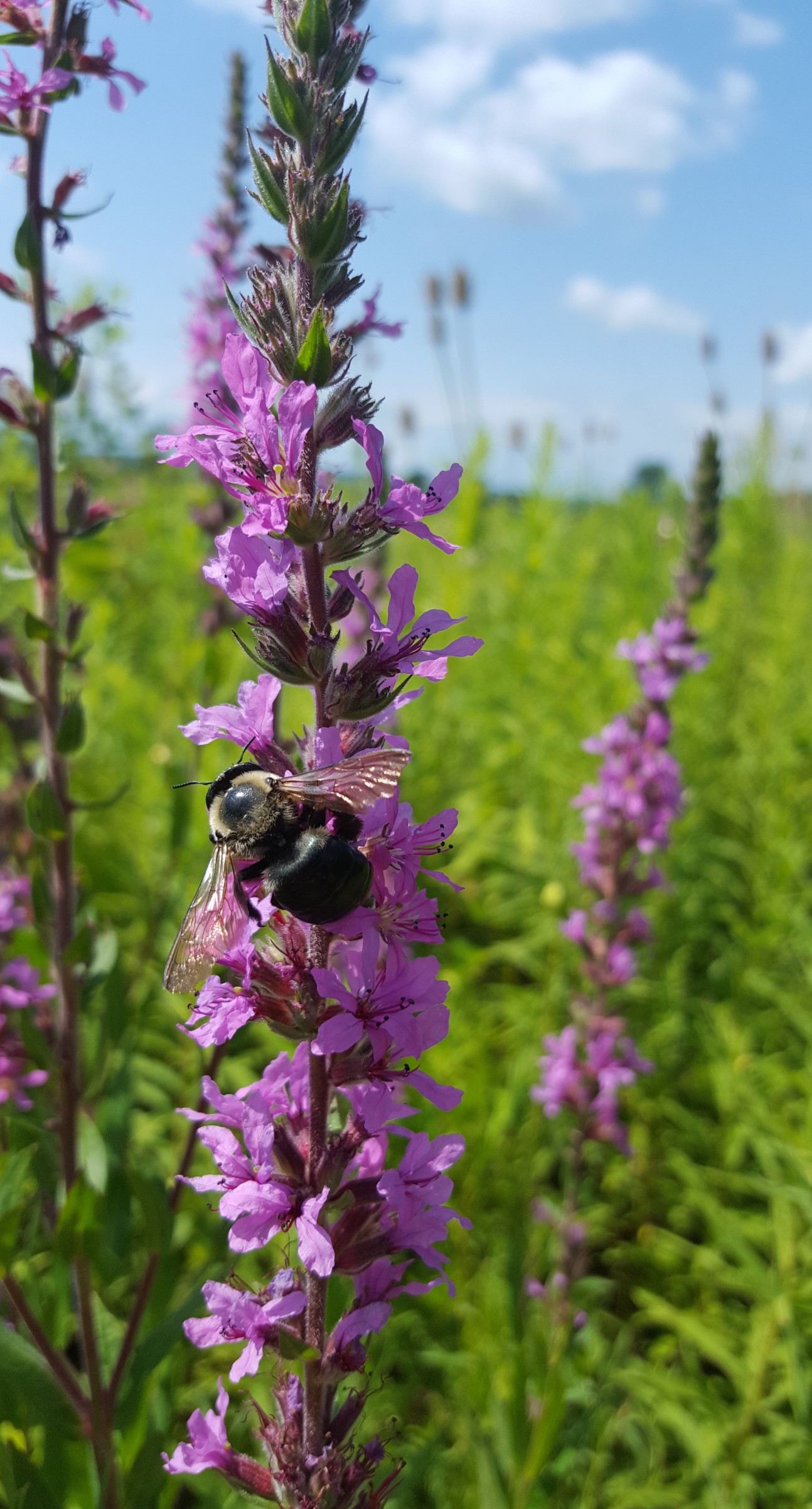
For example, the species Lychnis flos-cuculi, commonly known as ‘ragged robin’, often had multiple parasite species on them, whereas Lythrum salicaria, or ‘purple loosestrife’ had few.
Dr Graystock added: “The power of this study is the number of bees and flowers screened over time, allowing us to see if the patterns fit with parasite transmission theory. We next want to dig deeper and understand some of the underlying mechanisms – such as why some flowers are more likely to harbour parasites than others.”
The work was funded by the National Institute of General Medical Sciences of the National Institutes of Health in the US.
To read more, please read the article;
‘Dominant bee species and floral abundance drive parasite temporal dynamics in plant-pollinator communities’ by Peter Graystock, Wee Hao Ng, Kyle Parks, Amber D. Tripodi, Paige A. Muñiz, Ashley A. Fersch, Christopher R. Myers, Quinn S. McFrederick and Scott H. McArt is published in Nature Ecology and Evolution.
PhD Studentship available: The context dependence of disease spread and virulence in a pollinator system
I am advertising a fully funded PhD to work with me, Dr Richard Gill, and Dr Sophie Evison on one of the most damaging bee parasites.
Project Description
Understanding the factors placing insect pollinators at risk is a research priority with our future food security reliant on the health of these important organisms. Bees are vital insect pollinators, making the high rates of colony losses observed in recent years a global issue. Whilst we know the drivers of bee losses are multifactorial, such as disease, pesticides, and land use change, we fall short of understanding how these three stressors interact. Indeed, a major challenge in host-parasite ecology is understanding the context-dependence of disease dynamics, and how disease severity is altered by multiple interacting stressors.
This studentship will focus on honeybees and one of the most destructive diseases they experience: European foul brood (EFB). This globally distributed disease causes significant damage to the beekeeping industry, and in the UK, EFB is one of only two microbial bee diseases considered so harmful that positive detection requires immediate notification to the authorities. Severe cases of the disease often result in the destruction/burning of the hive to prevent further spread. Yet despite the impact this disease can have, we currently have little understanding as to how additional stressors influence the severity and spread of this disease, nor the ultimate influence this has on honey bee health.
The student will explore the mechanism behind transmission of the causal bacteria of the disease (Melissococcus plutonius), before determining if key stressors (Land and pesticide use) influence the severity of the disease. Thanks to generous funding from CB Dennis British Beekeepers Research Trust and Bee Diseases Insurance Ltd, this directly-funded studentship will employ a suite of cutting-edge scientific techniques to address questions on what modulates the transmission and virulence of this disease. The project will add substantially to our understanding of the vulnerability of bees to this significantly destructive disease and the results will facilitate the formation of evidence-led disease management strategies.
The student will gain a set of interdisciplinary skills including field work, next generation DNA sequencing and bioinformatics, pesticide residue analysis, microbiology and honeybee keeping. The student will gain training and collaboration from leading scientists including supervisor Dr Peter Graystock (Imperial College London), Dr Richard Gill (Imperial College London), and Dr Sophie Evison (University of Nottingham), plus assistance from the National Bee Unit/Defra. Based at the Silwood Park campus, the student will join the world leading university of Imperial College and benefit from being surrounded by top researchers in the disciplines of ecology, evolution and conservation. Facilities include >100 hectares of field site, new controlled environment rooms, microbiology facility, labs tailored for bee research and spacious workspace.
How to apply
Please send your CV, a one page cover letter explaining why you are suitable for this project, and the names and e-mail addresses of two referees to Dr Peter Graystock p.graystock@imperial.ac.uk by 13th January 2020.
Informal enquiries are welcomed and should be sent to Dr Peter Graystock p.graystock@imperial.ac.uk
Student eligibility
The studentship is funded by the CB Dennis British Beekeepers Research Trust and Bee Diseases Insurance Ltd. Applicants should have a BSc degree at 2.1 or higher in Biology, Ecology, Microbiology or similar and to hold, or be about to obtain, a Masters degree. Exceptional students at Bachelors level without a Masters will also be considered. The project will start in September 2020.
Funding Notes
The studentship covers a stipend for 3 years at current research council rates of £17,009 per year tax free, and tuition fees for UK and EU citizens.
Also advertised here: https://www.findaphd.com/phds/project/the-context-dependence-of-disease-spread-and-virulence-in-a-pollinator-system/?p114278
Funding for a 3 year PhD studentship on honey bee health!
Delighted to announce that we have received funding for a 3 year PhD on ‘Transmission and trigger: the context dependence of disease spread and virulence in a pollinator system‘

Funding announced for new PhD Studentship relating to honey bee health
“The CB Dennis British Beekeepers Research Trust and Bee Diseases Insurance Ltd are delighted to announce the awarding of funding to Dr Peter Graystock and Dr Richard Gill of Imperial College London and Dr Sophie Evison of the University of Nottingham for a project to investigate the transmission of the honey bee disease European Foul Brood (EFB)
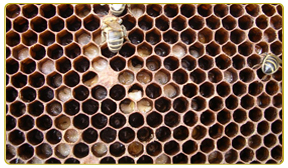
Maintaining a healthy honey bee population is crucial for food security and preservation of the natural ecosystem service of pollination. European foul brood (EFB) is a disease of honey bee brood caused by the bacterium Melissococcus plutonius. Symptomatic infections of the larvae include the infected larvae losing their internal pressure, becoming flaccid, before ultimately dying and degrading to just a dark scale in the brood cell. This lethal effect on developing individuals has led it to be considered one of the most significant diseases of honey bees worldwide and responsible for substantial damage to the beekeeping industry. Yet to date, we are only just beginning to understand the transmission and triggers of EFB.
This project will look at these transmission routes and triggers of EFB with the ultimate aim of providing a better understanding and improved control over this disease.
Jointly the two organisations will be providing around £90,000 of funding over three years to support the PhD student research – emphasising that the beekeeping industry as a whole is serious about funding research into ensuring that we maintain a healthy honey bee population. “
Martin Smith, President of BDI said: “BDI is pleased to be able to fund this project. EFB is of great concern to our 180 member associations in turn to their 25,000 beekeeping members. As well as insuring against costs associated with disease, funding research to try and reduce its incidence is a clear aim of our organisation”
Simon Baker, the Chair of the CB Dennis Trust said: “The Trustees are very pleased to jointly fund this valuable research. Cooperating in this way helps us fund larger projects such as Studentships, which train the next generation of research scientists as well as helping better understand bee diseases.”
Dr Peter Graystock said: “This studentship will provide valuable insight into one of the most destructive honeybee diseases. We are incredibly excited that The CB Dennis British Beekeepers Research Trust, and Bee Diseases Insurance Ltd recognised the importance of this work and agreed to fund the studentship ”
Details about the studentship can be found here: https://www.findaphd.com/phds/project/the-context-dependence-of-disease-spread-and-virulence-in-a-pollinator-system/?p114278
Congratulations Chloe
Congratulations to Chloe on completing her project looking at the influence of the microbiome on bee flight dynamics!
Days…weeks…. Months! spent hand rearing hundreds of bees finally paid off this week for Chloe who completed her Masters with a well-earned distinction! We wish Chloe continued success as she leaves us to start a PhD at the University of Nottingham!
Iconic quote from Chloe “You can’t rush a masterpiece!!”
What is European Foul Brood?
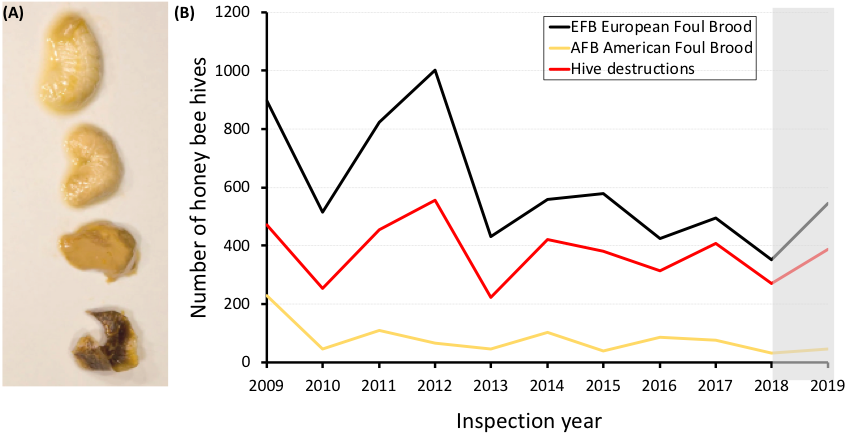
Maintaining a healthy honey bee population is crucial for food security and preservation of the natural ecosystem service of pollination. European foul brood (EFB) is caused by the bacterium Melissococcus plutonius and is a disease of honey bee brood, which leads to their death. Symptomatic infections of the larvae include the infected larvae losing its internal pressure, becoming flaccid, before ultimately dying and degrading down to just a dark scale in the brood cell. This lethal effect on developing individuals has led it to be considered one of the most significant diseases of honey bees worldwide and responsible for substantial damage to the beekeeping industry. In the UK, EFB and the relatively rare disease American Foul Brood (AFB) are the only microbial bee diseases considered so harmful that their detection requires immediate notification to the authorities. Upon notification, disease status will be confirmed and if necessary, hives will be destroyed to prevent further disease spread. So far this year (Jan-Aug 2019) 547 hives have been found to have EFB and 388 have been destroyed as a result.

The effects and trends of EFB in UK honey bees. EFB causes infected larvae to lose internal pressure, become flaccid, die, and ultimately degrade to a dark scale (A). Based on data from the National Bee Unit (B), incidence of EFB disease is ever present in the UK, and compared to last year, this year has seen an increase in detection and ultimately in hive destructions. Data for 2019 is still being compiled so is greyed out. Compared to 2018, there is a similar number of hives screened already in 2019 (30,392 in 2018, 29,452 so far in 2019).
Molecular Ecology Spotlight
Following from the publication of our article “High indirect fitness benefits for helpers across the nesting cycle in the tropical paper wasp Polistes canadensis.” in Molecular Ecology, the publisher invited lead authors Robin Southon and Emily Bell for interview. Read all about their experiences leading this work
Interview with the authors: High indirect fitness benefits for helpers across the nesting cycle in the tropical paper wasp Polistes canadensis

Helena graduates
This Spring, undergraduate student Helena has been hard at work determining the medicinal effect of a dietary antioxidant on bee health. Not only has her work shed light on the influence of antioxidants to bee health, but she earned herself a first-class degree! Congratulations Helena! Enjoy your gap yah!
Iconic quote from Helena “a bee touched my hand …and I don’t know what happened next, but I lost my earring”

Insect cognition
Over the coming months we will be increasing our focus on insect cognition thanks to funding from the British Ecological Society! If you are a student interested in this field and are looking for a project based at Silwood, please get in touch – we have lots of cool projects!

New position at Imperial College London

I’m excited to announce that I have started my new position at Imperial College London (Silwood Park campus)! Over the coming years I will be looking at the role of the microbiome in bee health. This will include a range of topics from microbiome transmission and diversity, to the functional role of the microbiome and how me may engineer bespoke microbiomes.
I will be working closely with the Gill lab in addition to Tim Barraclough and Tom Bell.
Keep checking back for opportunities to work in the lab!
Liberty Hyde Bailey Lecture: The Buzz About Bees
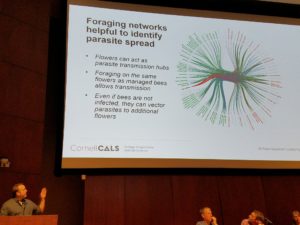
Today I was honoured to have been one of 4 experts invited to the panel of the 2018 Liberty Hyde Bailey Lecture at Cornell University. Together with Dr Scott McArt, Dr Phoebe Koenig, and Hailey Scofield we discussed the health of pollinators, current research in the field and future directions.
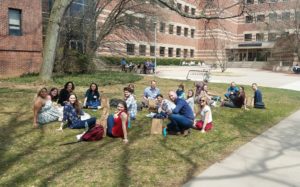
It was a lively talk and discussion which was both well attended and streamed live! The audience were mostly Cornel Alumni from a diverse range of fields which encouraged a broad range of discussion and lots of interested faces and interesting questions!
The 2018 Center for Pollinator Research Symposium
Today was the joint pollinator symposium between Cornell University and Pennsylvania State University, based at PSU. It’s my first visit to PSU which is a great university that in addition to hosting some awesome scientists, seems to benefit from an earlier emergence of spring and we got to sit outside and see the odd bumblebee in flight which is still rare in Ithaca at the moment!

The symposium was great and lovely to mix with everyone that’s part of the pollinator groups at PSU. It was good to present some of the EEID project findings and get feedback. It’s actually looking like quite a few people are not looking at the role of flowers as transmission hubs for pollinator parasites which is really neat! I look forward to hearing more and seeing how this topic develops!
Bombuss: Building Our Methods By Using Sound Science
BOMBUSS was conceived, and its inaugural meeting planned, by Jamie Strange (USDA-ARS), Amber Tripodi (USDA-ARS), Neal Williams (UC-Davis) and Hollis Woodard (UC-Riverside). Funding to support the meeting was obtained through a grant from the USDA-National Institute of Food and Agriculture to J. Strange and A. Tripodi and supplemental funding was provided by the USDA-ARS-National Program Staff Professional Activities Fund.
The BOMBUSS brought bumblebee researchers together to discuss the methodologies currently used to investigate these important pollinators. As domestication of bumble bees has expanded worldwide, so has research on this group of bees as model organisms for study, as crop pollinators, and as conservation targets. The growth of this field of study has been rapid, prompting the need to convene this meeting to discuss the need and potential for standardization of methods.
I thought it was a very productive meeting with many future collaborations set out! There was a great interchange of ideas and methods and several plans to publish the standardised methods we discussed. Maybe there will be a Bombuss 2? I hope so!
Working with artists to produce Recycled Glass Bees!
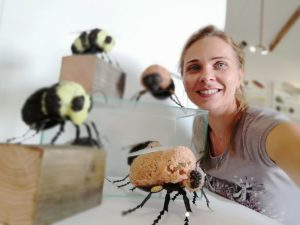
One of the collaborations i made with artists from the cross-pollination project has come to fruition, and its amazing!! The networking project aims to bring Art and Science together, producing creative art projects that explore and promote the crisis facing pollinators and to influence policy decision making.This particular artwork is a collaboration between the artist Dr Tyra Oseng-Rees and supporting artist Carly Wilshere-Butler from Swansea College of Art at UWTSD, myself , and Sinead Lynch from Bumblebees Conservation Trust.
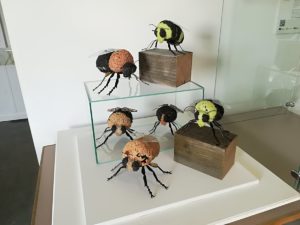
Six different types of bumblebees has been made out of recycled bottle glass and is currently exhibited at the National Botanic Garden, Wales until the end of August 2017 before the exhibition will be moved to Dr Beynon’s Bug Farm in Pembrokeshire. Different bumblebees have been made using a combination of fused recycled glass and enamelled mild steel and wiring. The recycled glass has been collected form waste bottles, subsequently cleaned and crushed into a fine small grained cullet before moulded around a hand-crafted model of a bumblebee and fired in a kiln.

The Bumblebees made are:
White- tailed bumblebee, male Bombus lucorum
Common carder bee, female Bombus pascuorum
Red-tailed bumblebee, maleBombus lapidarius
Tree bumblebee, female Bombus hypnorum
Red-tailed cuckoo bumblebee, female Bombus rupestris
Gypsy cuckoo bumblebee, femaleBombus bohemicus
Learn more about the recycled glass bees and the project here: https://www.osengreesreflection.com/projects/#/recycled-glass-bumblebees/
Cornell University, microbes, and bees
Today my role on the NIH funded project on Ecological Emerging Infectious Diseases (EEID), moves to Cornell university. Based in Dr Scott McArts Lab, i will be leading the considerable molecular work on this $2 million NIH grant that takes a trait based approach to understanding the spread of infectious microbial parasites in wild bees.
As I mentioned in the earlier post upon receiving the funding, this is a large collaborative project and my hope is that it will make large strides in helping us understand the drivers of parasite spread in bees, and therefore let us identify ways to reduce parasite spread.
One of the first things i’m doing is collecting wild flowers and bees and observing pollinator behaviour within the complex flower-pollinator networks at the sample sites.
Wild bee microbiomes
Here, I look at the microbiomes in wild and managed bees. Microbiomes are the communities of microbes that live in the digestive tract of bees. We believe many of these microbes provide benefits to the host bee; and honey bees in particular are known to have a consistent community of microbes. However, research of the honey bee microbiome can only provide limited insight into wild bees. By looking at the microbiomes in the closely related Ceratina bees and distantly related Megalopta we examine how different the microbiomes are between different bees. We then look to see if the microbes found in the bee collected pollen is similar to the microbiomes.

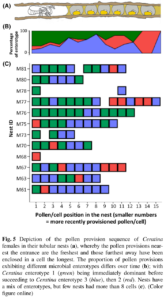
This is particularly interesting in the Ceratina pollen which is provisioned in brood cells in sequence so we could link it to its time since being regurgitated by the bee
Unlike honey bees, whose gut microbial community differs compared to their pollen, Ceratina adults and pollen largely share a similar microbial composition. This suggests the environmental transmission of microbes from flowers is likely to be important for wild bees like Ceratina who do not benefit from social transmission like honeybees do. We go on to discuss the consequences of diversity in core microbiota between bee genera and their associations with pollen in relation to identifying potentially beneficial microbial taxa in wild bees to aid the conservation of wild, understudied, non- model bee species.
click here to learn more from this study
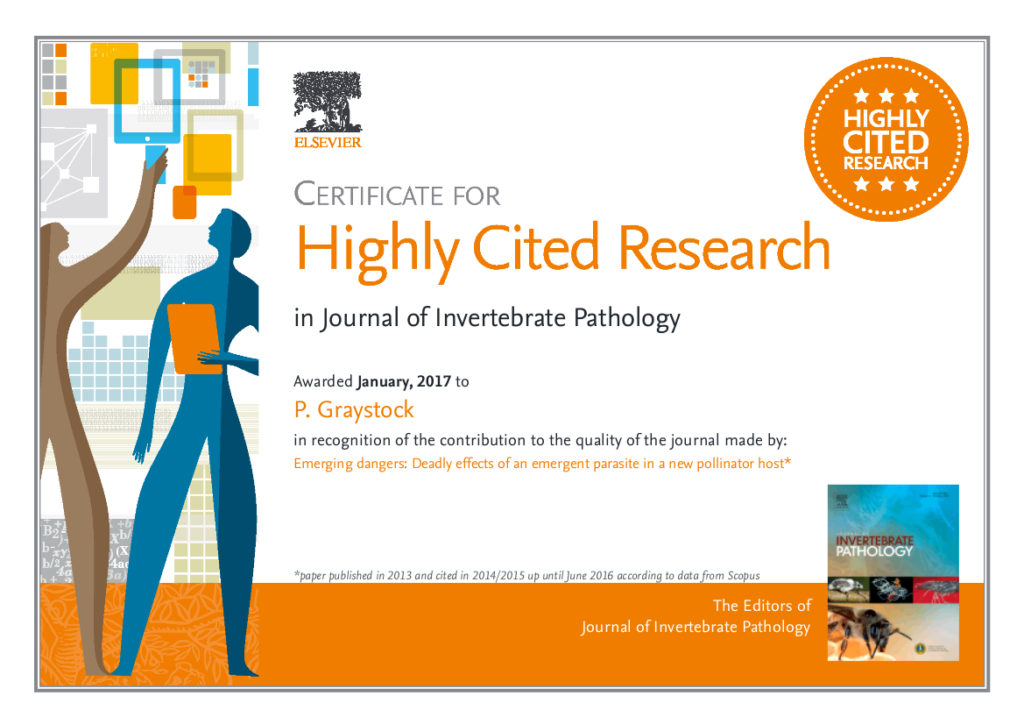
My work was today recognised for being highly cited
The Publishing group Elsevier today notified me that my that work published back in 2013 is one of the most highly cited (top 5) within their journal of invertebrate Pathology over the period of publication to June 2016.
-According to Google scholar, the article has been cited 55 times.
The article was written in collaboration with undergraduate student Kathryn Yates, plus Ben Darvill from the Bumblebee Conservation Trust and my PhD supervisors Dave Goulson and William O.H. Hughes. It describes how we identified the parasite, Nosema ceranae in wild bumblebees in the UK. We go on to test the effects of this parasite on the common bumblebee Bombus terrestris, and find it to be harmful to the bumblebees survival and an aspect of their physiology known as the Proboscis extension response.
To learn more, the article can be read here
Bumblebee foraging preferences
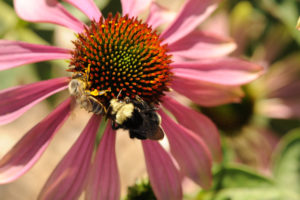
Whilst we know a lot about the foraging preferences of honey bees, little is known about the foraging preferences of bumblebees. In this new study, we show that whilst the majority of foraging bumblebees are generalists (feeding on both pollen and nectar), some bumblebees do specialise on only foraging for pollen, and some specialise on nectar. Believing this may be linked to the different sizes of bumblebee foragers that a colony produces, we set about looking for relationships between this foraging preference and the body size, fat content, sucrose sensitivity and ovary size of the workers.
To learn more about this work, which was led by Dr Adam Smith (now at George Washington University), please click here
ESA ICE 2016
Today has been the final day of the International Congress of Entomology, held in Orlando Florida.
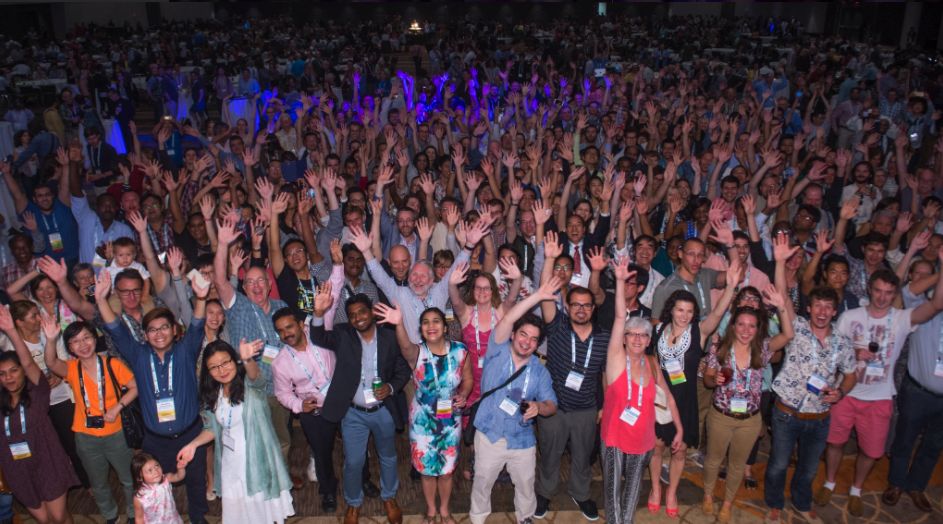
The first thing i must say, is this was a HUUUGE event! Far bigger than any other conference i have attended. There was a total of 6,682 delegates from 102 countries! Spread over a large venue, it really was a race to get to the different talks in time with 10’s of talks taking place at any one time it took most of a morning to plan each day! The topics were diverse across the entire diversity of insects (as you can imagine), and frustratingly, but maybe not surprisingly, many of the bee talks weren’t necessarily near the rooms where the parasite or microbiome talks were being done! That couldn’t stop me from being excited to be there though and see as many talks as i could! I should also mention that i was there, in part, because of the generosity of the ESA who kindly awarded me an Early Career STEP travel award to attend and present my work – THANK YOU ESA!
In the session hosted by Dr. Hollis Woodard, Dr. Quinn McFrederick, and Dr. Theresa L. Pitts-Singer. I presented my work looking for links between the population genetic structuring within a host species (bumblebees) and their gut microbial community structure. Its a rather large dataset and I was only able to present a select few of the findings. Nevertheless, it was well received and i’m excited to get it published soon! No doubt so is my supervisor on this project, Dr. Seirian Sumner!
Well, somehow in between all the talks and the running around i was able to meet some great new friends, many of whom i’ve read a lot of their awesome work! Also, i got the chance to catch-up with post-docs and supervisors of christmas past! A postdoc from my time at the University of Leeds, Dr. Adam Smith, is about to publish some bumblebee behaviour work we did together from our time at Leeds, which is fantastic! and Dr. Seirian Sumner will shortly become a reader at UCL!
Overall it was the most exhausting conference i’ve been to but certainly worth it for all the cool new science i got to see in addition to new contacts made and old ones renewed. And wheres the next one? back in Helsinki!
Examining the spread of disease in bees with $2 million NIH grant
Over the past year I have helped Dr. Scott McArt from Cornell University to get preliminary data and write an NIH grant to investigate the spread of parasites in wild bees. It has now been confirmed that the 5 year, $2 million grant has been awarded!
The grant also includes Professor Steve Ellner and Professor Chris Myers (both at Cornell), Professor Lynn Adler at the University of Massachusetts, Amherst; Dr Rebecca Irwin at North Carolina State University; and Dr Quinn McFrederick University of California, Riverside.
Over the course of the grant, we will look to model the transmission of parasites by developing a technique that looks at broad traits shared among species. Such techniques are a growing trend among community ecologists but have never been used with pollinators and plants. This method will simplify how data are processed; traditional taxonomic approaches consider the relative importance of each individual bee and flower within an ecosystem to tease out patterns of interactions and transmission.
The results will help inform land managers, farmers, landscapers and others which wildflower traits promote bee health and which may spread disease.
To read more see a news article here or visit Dr Scott McArts webpage
European IUSSI 2016

Back from a great time at the European IUSSI meeting, hosted by Professor Lotta Sundström in Helsinki. Despite the rather gruelling travel from California, that included a rather long layover in Russia, its been a great meeting! I have attending the IUSSI meets fairly regularly since the first year of my PhD and its nice to have so many friendly faces in one place!
I presented some of the Work i have been doing with Dr. Quinn McFrederick and Dr. Sandra Rehan, looking at the microbiomes of wild bees and their associations with bee collected pollen. It led to some really interesting conversations and hopefully some follow-up collaborations – which is brilliant!
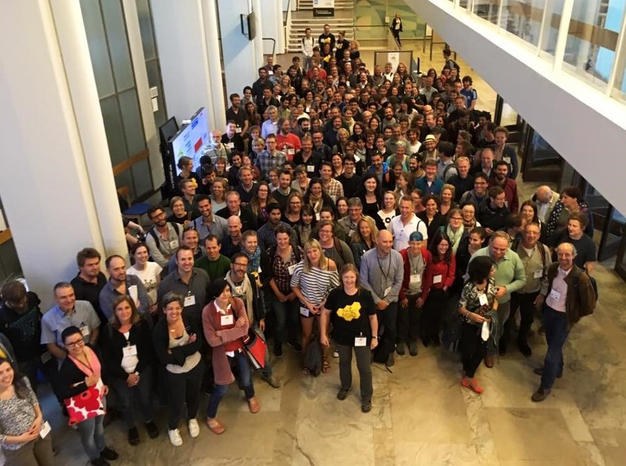
On the last day, Dr. Sophie Evison and I hosted a session on shared parasites in social insects. Kicking off with the ever-lively and passionate Rob Paxton speaking about pathogen spillover among bees, we then heard from Robyn Manley about her interesting findings on the virulence of virus in bumblebees under food stress. On to Matthias Fürst with a peek into his work on the extraordinary diversity of viruses identified in ants using an siRNA technique. Closing the session we heard from Francisco Davila and the bacteria identified in the reproductive organs of mated and virgin queen ants!
That was however, just one of 27 great sessions, and another great conference! Despite the journey, i’m sure ill be back for the next one! :)
Collaboration with leading bumblebee supplier may reduce parasite spread between bees!
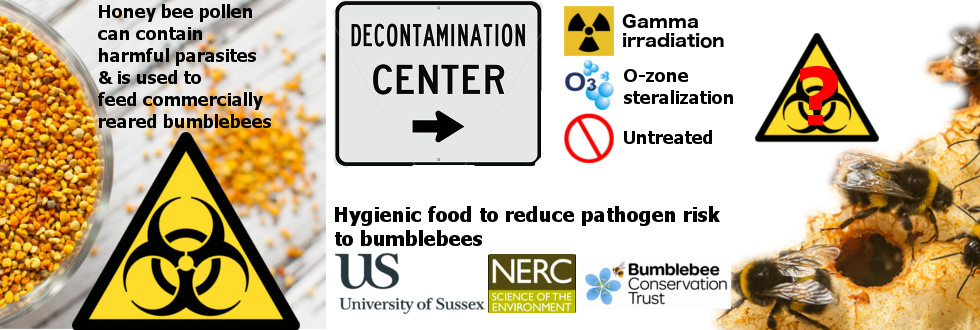
The bumblebee industry relies heavily on pollen to feed the bees. This pollen is harvested from the legs of honeybees then fed to bumblebees. The problem with this is that it may contain parasites that are infective to bumblebees!
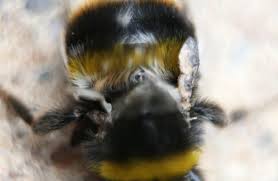
By working in collaboration with one of the largest global suppliers of bumblebees (Biobest), the English regulating body (Natural England), the Bumblebee Conservation Trust, and funded by NERC, we move a step closer to reducing parasite spread in bees! This new article details exactly how much of the different, know parasites, are found in pollen intended for bumblebee feed. Then, we test how abundant these parasites are when the pollen is treated with sterilisation processes including Gamma irradiation and a new ‘O-zone sterilisation’ technique. Finally, we feed bumblebees the different pollens and monitor their survival and physiology.
The results of this directly inform Biobest and other bumblebee breeders on what methods better maintain parasite free bumblebees, thus reducing the potential for global parasite spread.
Please click here to read more
Deadly effects of Emerging Disease Apicystis bombi and deformed wing virus on bumblebees
The deformed wing virus (DWV), known to be ubiquitous in honey bees, has now been detected in bumblebees. In addition, the neogregarine Apicystis bombi has been discovered to be more prevalent than previously thought. Here, we assess for the first time the lethal and sublethal effects of these parasites during single and mixed infections of worker bumblebees (Bombus terrestris). Overall, we find that A. bombi exhibits both lethal and sublethal effects. DWV causes lethal effect and may reduce the sub lethal effects imposed by A. bombi. The results show that both parasites have significant, negative effects on bumblebee health, making them potentially of conservation concern
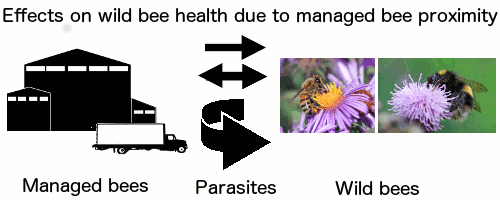
Managed Bees Spread and Intensify Diseases in Wild Bees

I have recently completed a review of research looking at disease in wild bees that are near managed honey bees and managed bumblebees.
In this work, I list the problems managed bees cause with specific examples from America, Asia and Europe and based on the evidence, suggest what practices could reduce the harm managed bees do to wild bees. We recommend first that the safety of bee transport be improved by employing rigorous disease screening of bees and creating unified international regulations to prevent the movement of diseased bees. Second, we advise that the mixing of managed bumblebees with wild bees should be prevented by using nets over glasshouses containing managed bumblebees. Finally, we recommend an increased conservation effort to limit the effects of managed bee use in areas suffering wild bee declines.
In this review I also give an overview of the history of the commercialisation of bumblebees – a relatively new industry.
Bees under threat from florally transmitted diseases (FTDs)
Florally transmitted diseases (FTDs): a newly discovered threat to bee communities.
Today some more of my research was published. In it I show that diseased bees deposit parasites on to the flowers they visit. These parasites can then infect healthy bees visiting the same flowers, or be transported by an unsusceptible bee species to other flowers to reach their host species.
I allowed bumblebees from hives infected with three different bumblebee diseases to forage on a patch of flowers in a flight cage for a period of 3 hours before removing them from the cage. Then I released disease-free honey bees into the cage and allowed them to forage for a further 3 hours on the same flowers, as well as a patch of uncontaminated flowers which were brought in at the same time. Immediately afterwards, the shared flower patch, the honeybee only flower patch and the honey bees were all screened for the bumblebee parasites with alarming results. All three of the parasites were detected on the shared flowers, while two out of three were detected on the flowers which only the honeybees had access to, as well as inside the honeybee colonies.
The experiment was repeated using honeybees from hives infected with two honeybee diseases and disease-free bumblebees and yielded similarly worrying results. Both parasites were found on the shared flowers, as well as on the flowers which only bumblebees had access to, and one of the two parasites was detected inside the bumblebee colony.
The study also compared how two different flower types aid the dispersal of bee parasites, and found that bell shaped Fairy’ thimble flowers contained higher parasite loads than more open Pansy flowers. This is likely because the bees spend more time in contact with bell-shaped flowers than they do with more easily accessible open flowers.
These results suggest that flowers play an important role in the transmission of diseases between bees.
“The upshot of this is that a range of parasites in diseased bee populations, such as infectious imported bees, may spread to wild bee populations that forage on the same flowers. On a wider level, flowers as parasite hotspots suggests that areas where there is a lot of pollinator traffic per flower, for example areas with low flower density, may have high parasite dispersal between pollinators compared to areas with low pollinator traffic per flower, such as flower rich areas.”
New Position: Quin McFrederick Lab

Today I join the labgroup of Quinn McFrederick at the University of California, Riverside. The McFrederick lab studies interactions amongst the microbiota of wild and solitary bees, with the goal of determining how these interactions affect host phenotype. This research dovetails with my background on bumblebee parasites and their effect on the bumblebee. We will spend the next 2 years bringing these research themes together as we study wild bees in California.
Goodbye to Bristol and Goodbye to England!
I’ve had a great time being part of the Sumner lab at the University of Bristol but as my contract comes to an end, I have accepted a position at the University of California to work with Quinn McFrederick looking at symbionts in wild bees.
Bristol has provided me with a wealth of experience looking at next generation sequence data and getting to grips with some of the latest bioinformatics programs. In addition, I’ve met and learnt from some amazing scientists at Bristol.
This list should give an idea of the diversity of experiences I’ve had in my year at Bristol:
David Attenborough, Salmon, Grillstock, QIIME, white bear, EMBL, longevity, Dairy cow onesies, new buildings, Pints of science, bird nests, SNPs, invasive ants, Proactis, Halle, CT rooms, cryinformatics, bumblebees, Liverpool, Playground outreach, Coffee, wasps, fire-drills, Super-B, HotSHOTs, Festival of Nature, Stacks, parasites, Tuxedo, TGAC, Didcot and the NERC Awards.
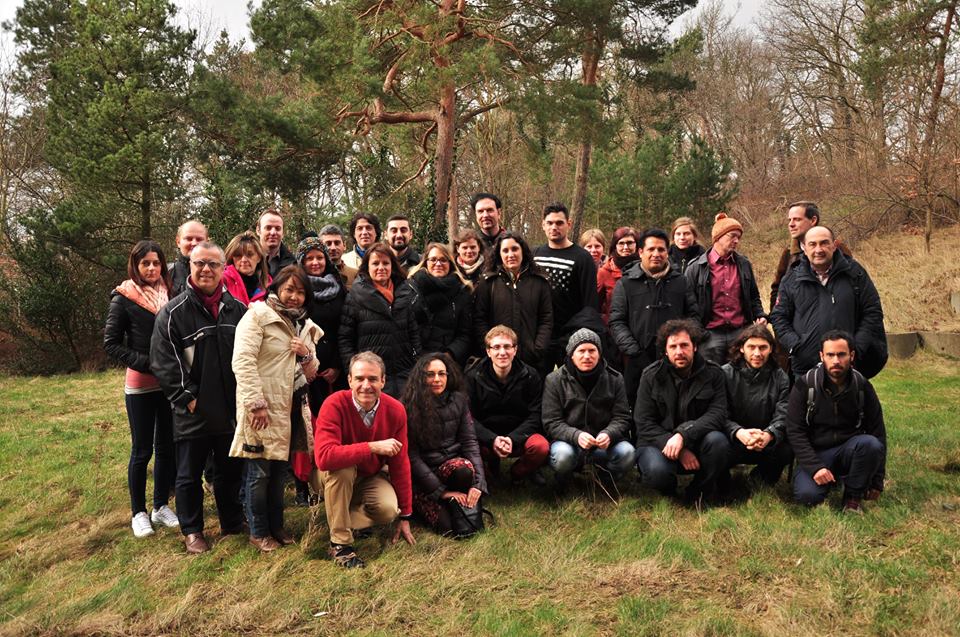
Back left to right: Peter Graystock, Patrick Kennedy, Robin Southon, Emily Bell, Daisy Taylor, Sam Duckerin, Adam Devenish. Front left to right: Seirian Sumner, Aoife Glass
Super-B: Methods for Pathogen Detection in non-Apis pollinators
SUPER-B brings together scientific and societal communities involved in the conservation and sustainable management of ecosystem services mediated by pollinators. This week we addressed the growing issue of non standardised disease screening in wild pollinators. In attendance were over 20 researchers of bee disease and we spent the week going over screening methods and technologies to try to increase conformity amongst researchers across Europe.
Its been an interesting week and meeting colleagues new and old has been a lot of fun!
Keeping bumblebee parasites at bay
In preparation to the NERC awards, the NERC organised for a short video on my research to be produced. This video is now available to view
The NERC Awards!
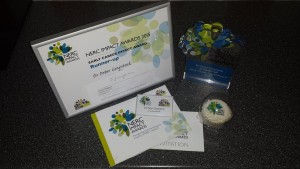
I’ve had a great evening at the NERC awards. Whilst I didn’t win, I came runner-up which means I get funding to continue researching threats commercial bees may pose to wild bees…and I got a cupcake!
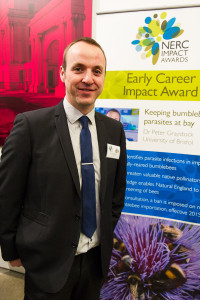
In my category of ‘Early career impact’, Professor Hannah Cloke won for her work developing new techniques and methods to forecast flooding. The award evening, hosted at the Royal Institute of British Architects in London, was a huge networking event with key industrial partners attending and provided a platform to launch the NERC 50th anniversary year, celebrating half a century of ground-breaking science.
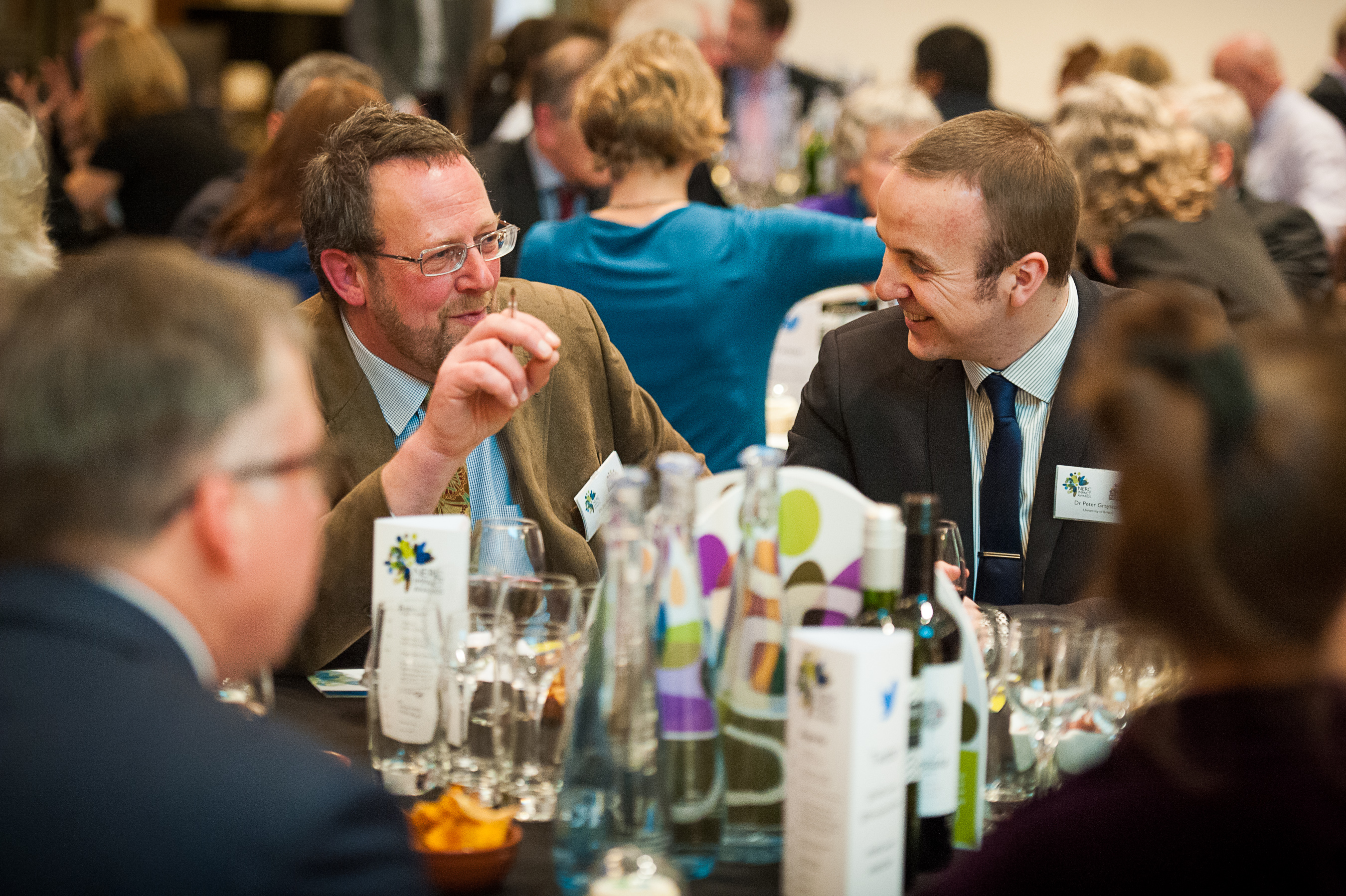
NERC has all the winners and runners up listed on their website: http://www.nerc.ac.uk/latest/events/impact/finalists/